
What is Home Automation? A Complete Beginner’s Guide

Imagine walking into your home and having the lights turn on automatically, the thermostat set itself to your preferred temperature, and your favourite playlist begin playing — all without pressing a single button. This isn't science fiction anymore. This is home automation, and it's transforming how we live.Whether you're tech-savvy or just curious, this guide will walk you through everything you need to know about home automation — what it is, how it works, and why more homeowners are embracing it every day.
At Home:
What Exactly Is Home Automation?
Home automation refers to the use of technology to control and automate household devices, systems, and functions often remotely or through pre-programmed schedules. From lighting and climate control to security systems and entertainment, home automation puts you in full control of your living environment.
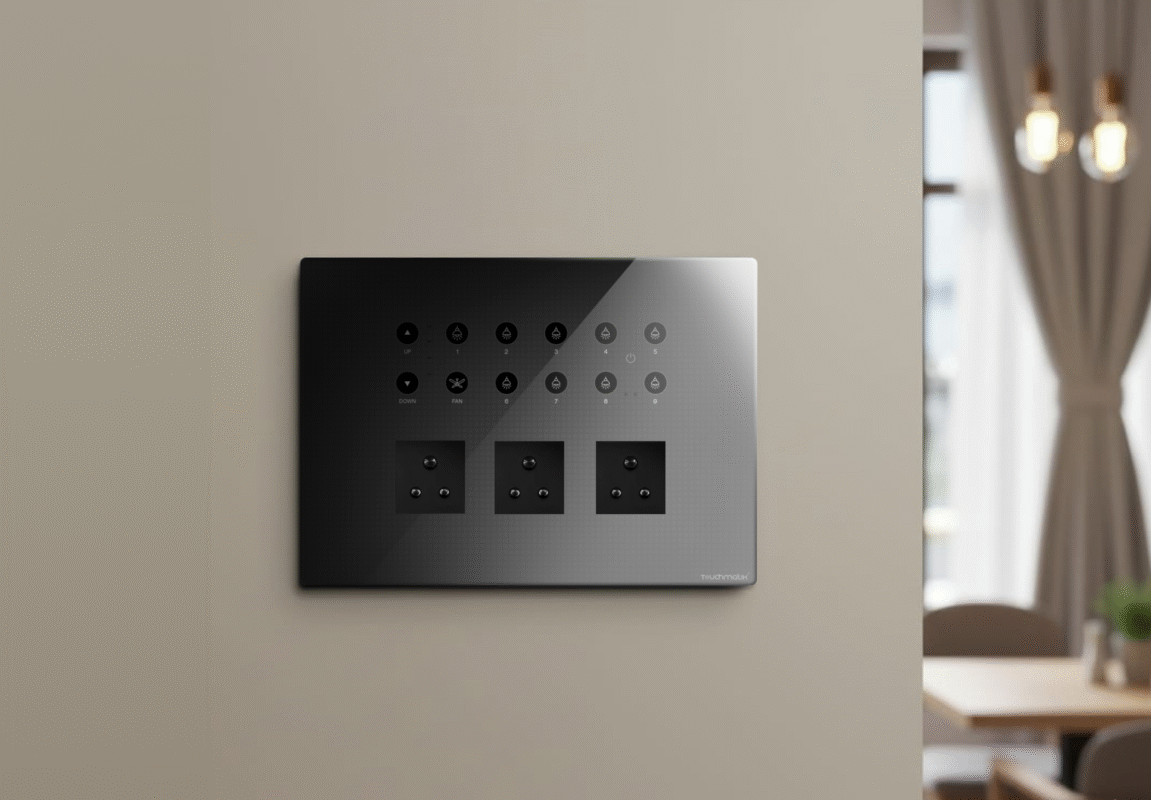
At its core, home automation connects devices through a central hub or network, allowing them to communicate with each other and respond to user input — whether through a smartphone app, a voice command, or even a smart touch switch mounted on your wall.
How Does Home Automation Work?
Home automation systems typically consist of three key components:
- Sensors and Input Devices: These detect changes in the environment — motion, temperature, light levels, or user commands — and send signals to the system.
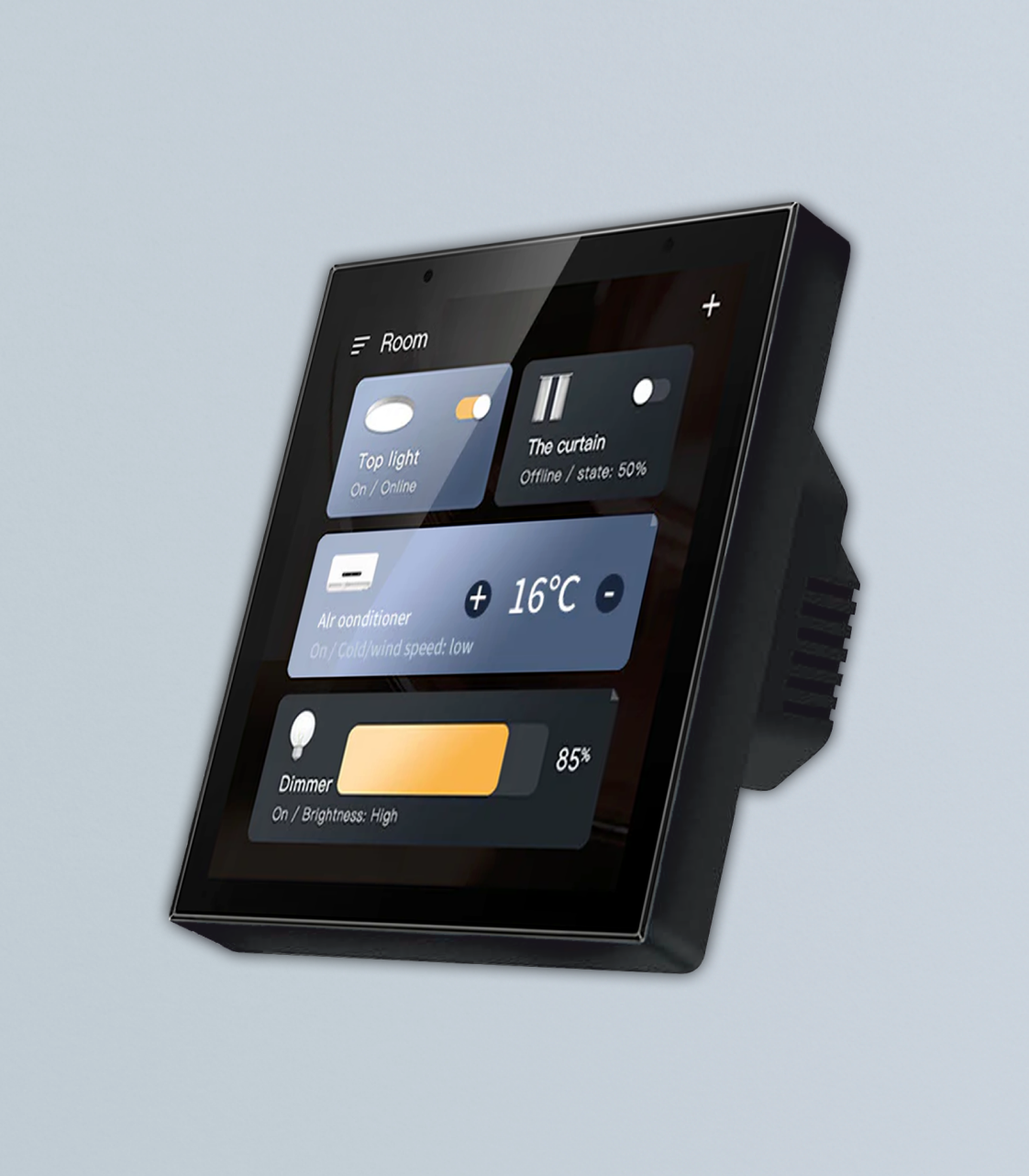
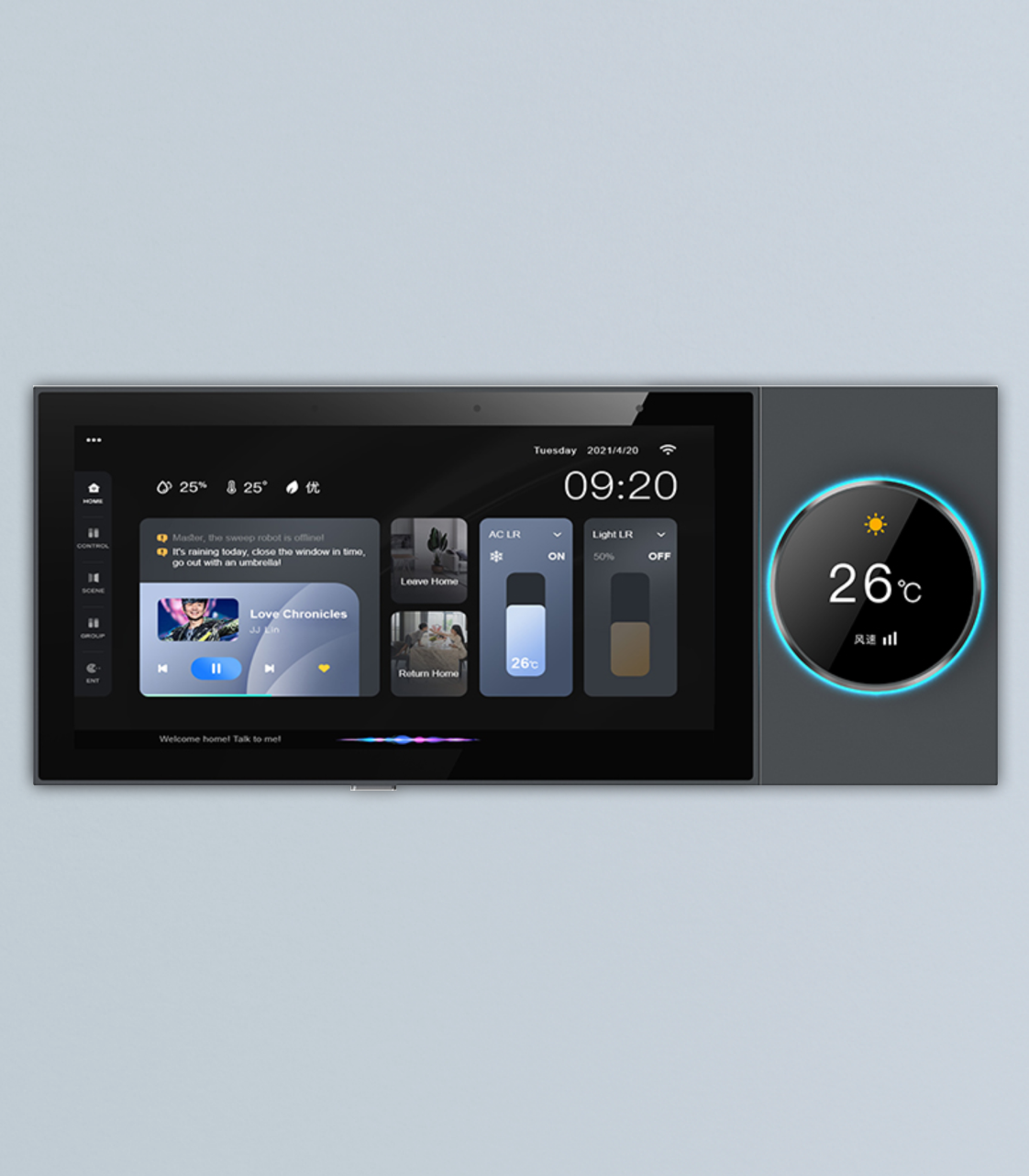
- Controllers and Hubs: These process the signals and determine what action to take. This could be a central smart home hub, a mobile app, or an intelligent touch interface.
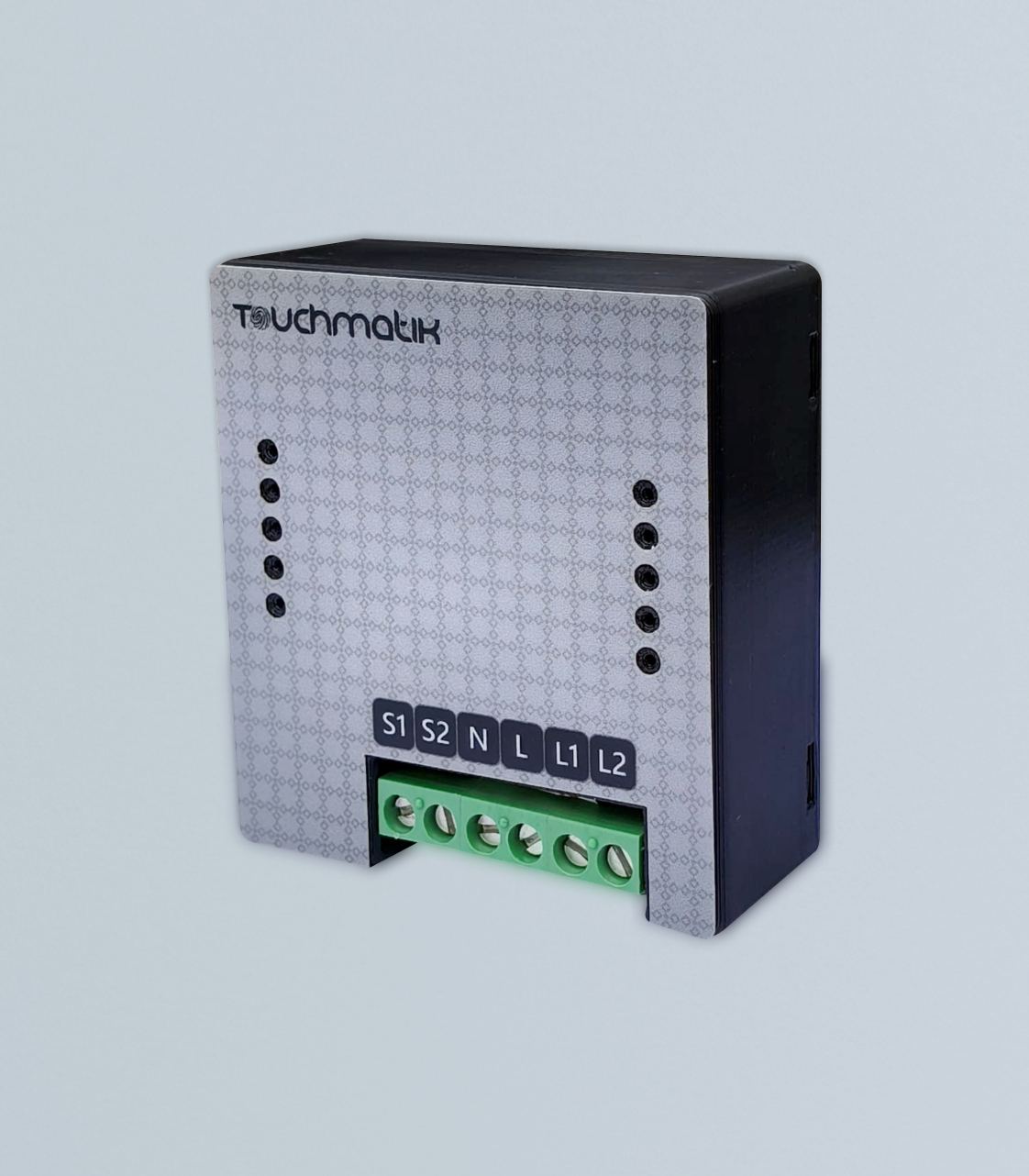
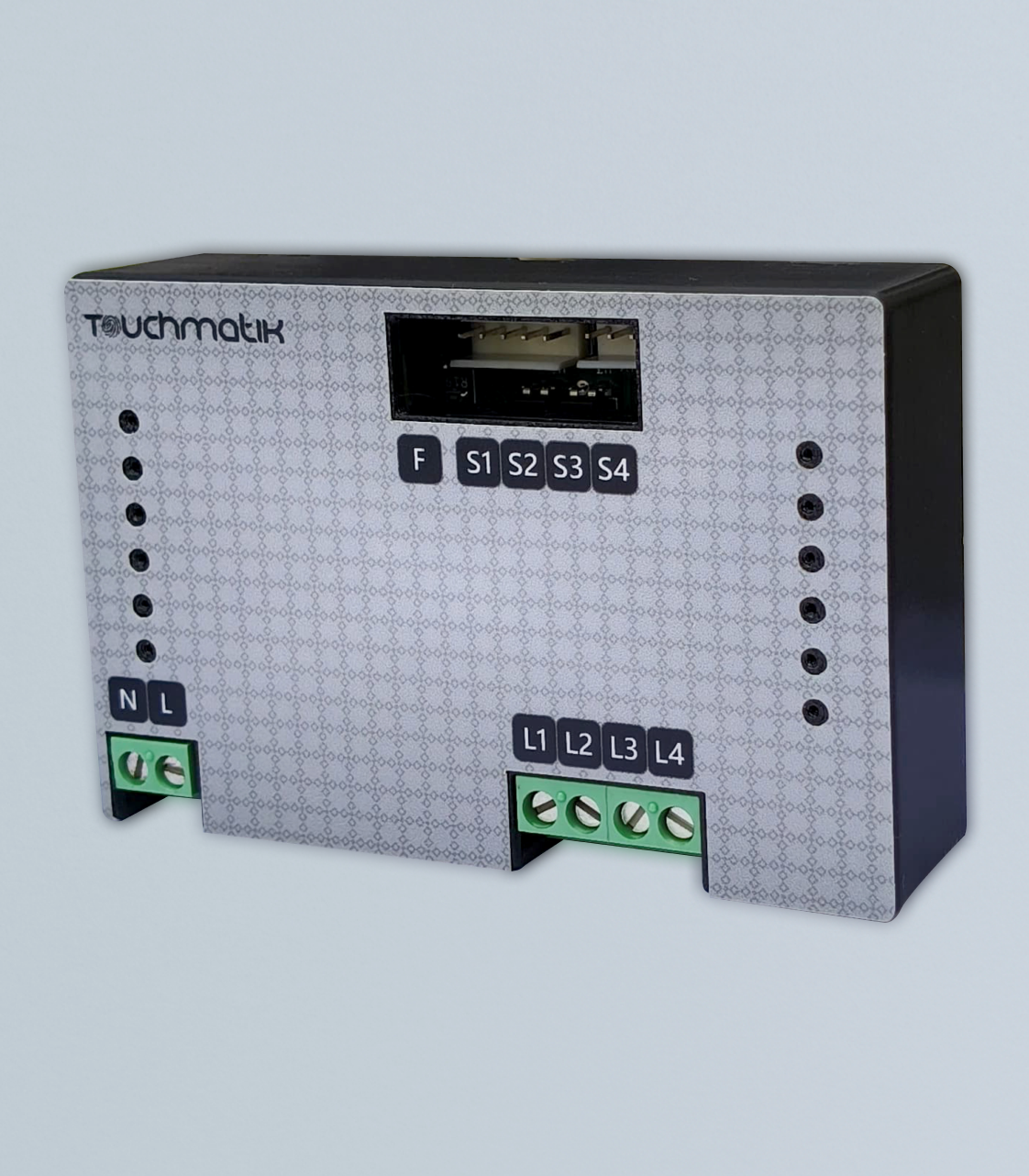
- Actuators and Output Devices: These are the devices that actually perform the action — smart switches, dimmers, locks, thermostats, speakers, and more.
All of these components communicate over wireless or wired protocols such as Wi-Fi, Zigbee, Z-Wave, or KNX, forming an interconnected ecosystem in your home.
What Can You Automate at Home?
The scope of home automation is broader than most people realise. Here are some common categories:
- Lighting Control: Schedule lights to turn on and off, dim automatically at night, or respond to occupancy sensors.
- Climate Control: Set your air conditioning and fans to activate based on time, temperature, or your presence.
- Security & Access: Monitor entry points with smart locks, video doorbells, and motion-triggered cameras.
- Entertainment: Automate your TV, music system, and streaming devices for a seamless experience.
- Energy Management: Track and reduce energy consumption through smart scheduling and usage monitoring.
- Appliance Control: Remotely operate kitchen appliances, curtains, irrigation systems, and more.
The Role of Smart Touch Switches
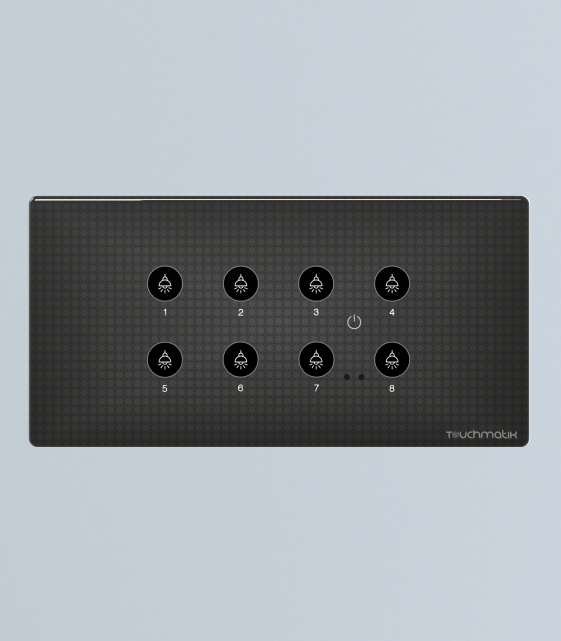
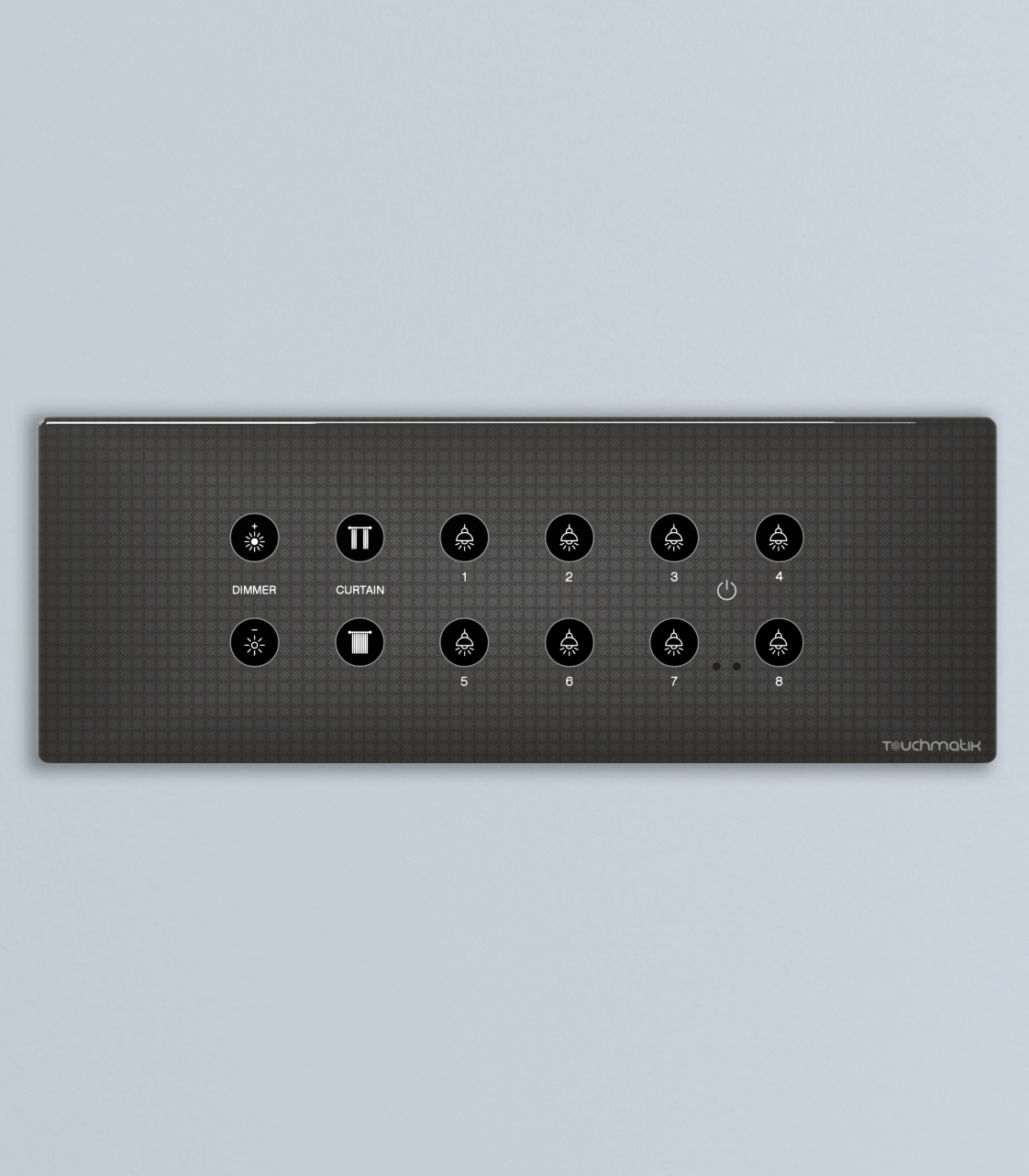
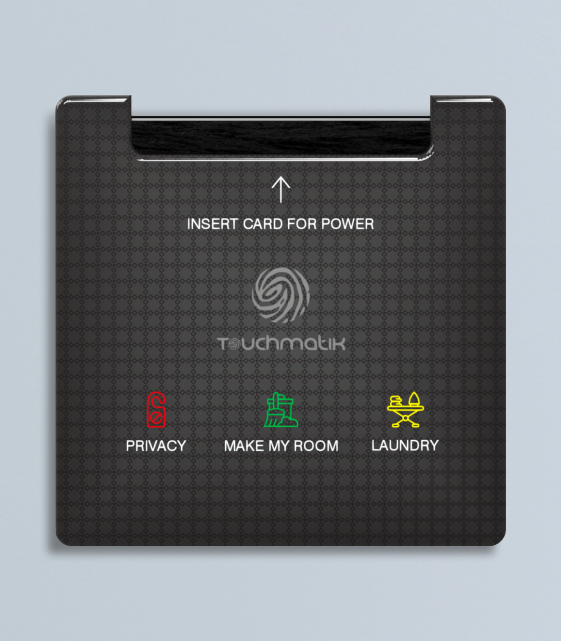
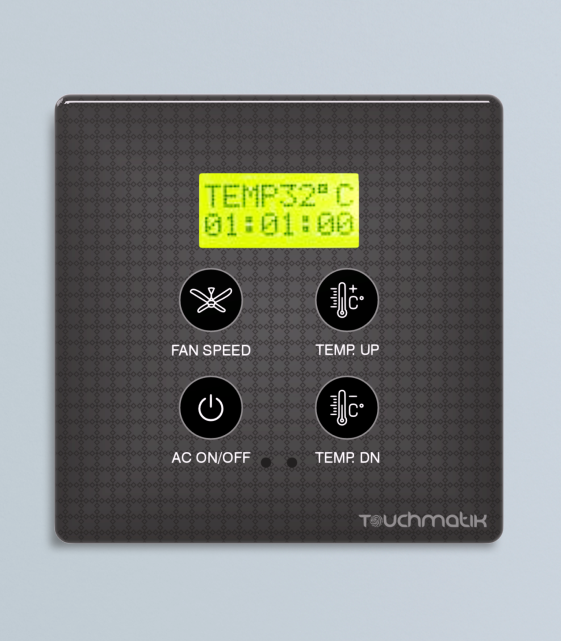
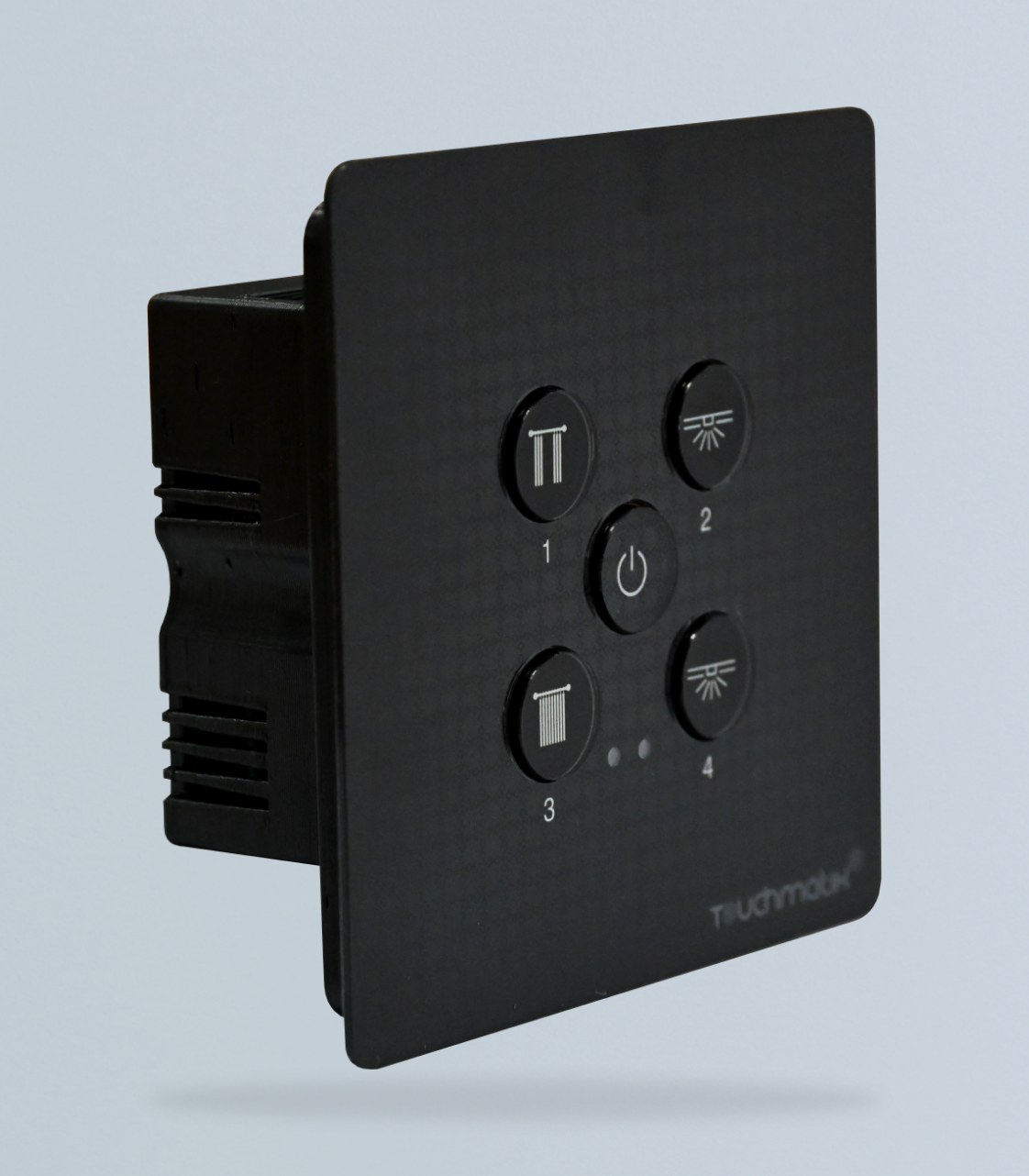
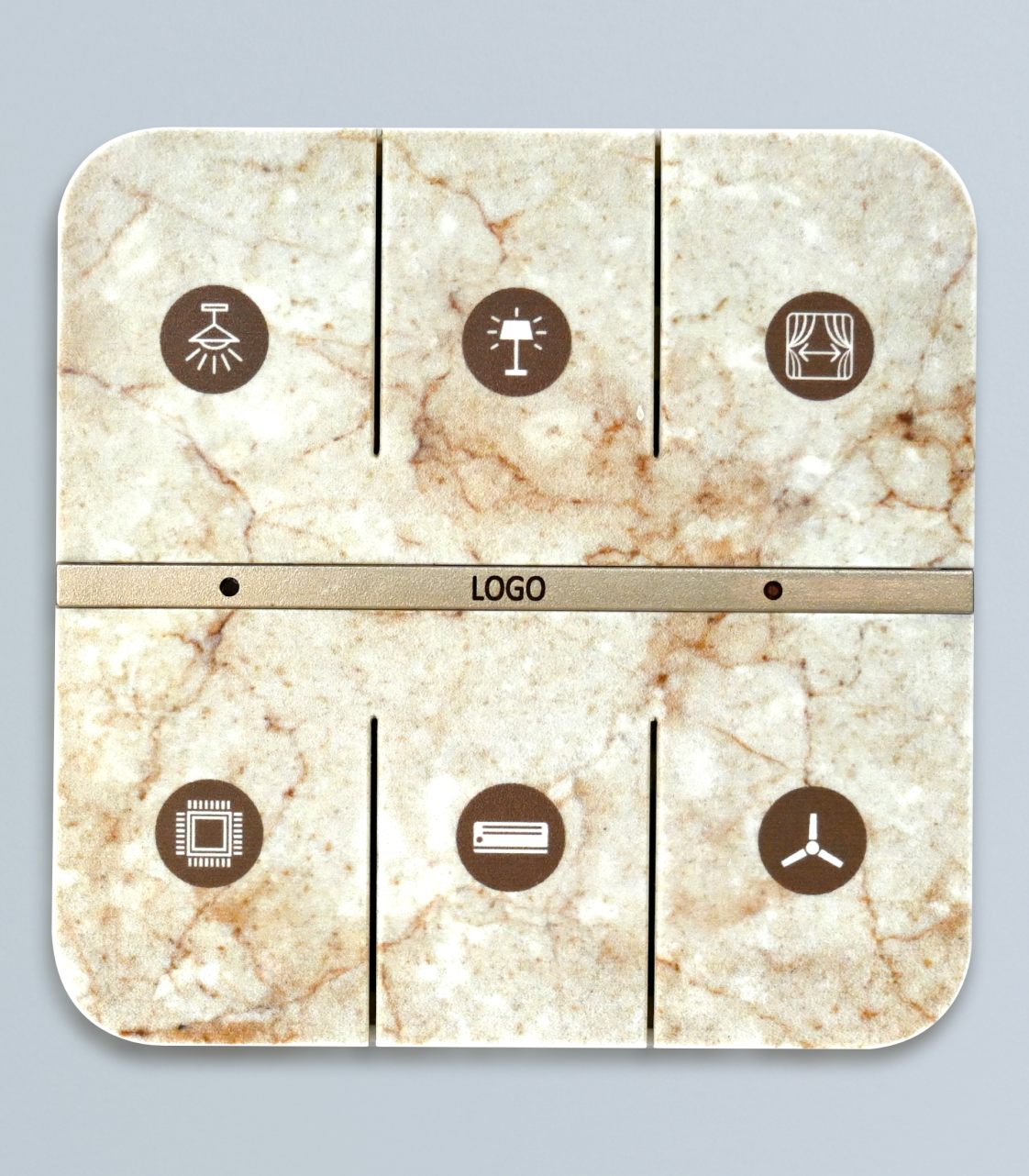
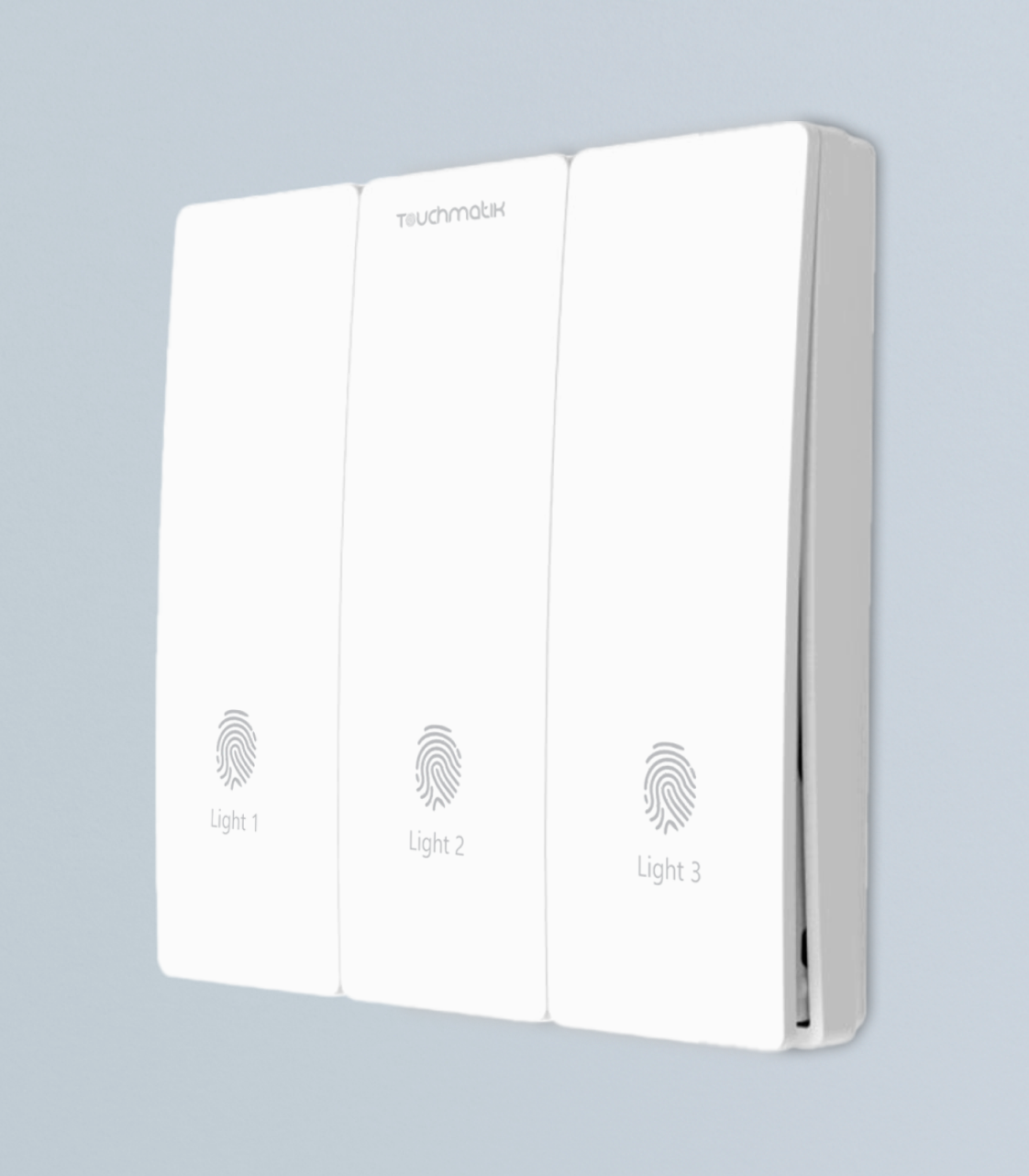
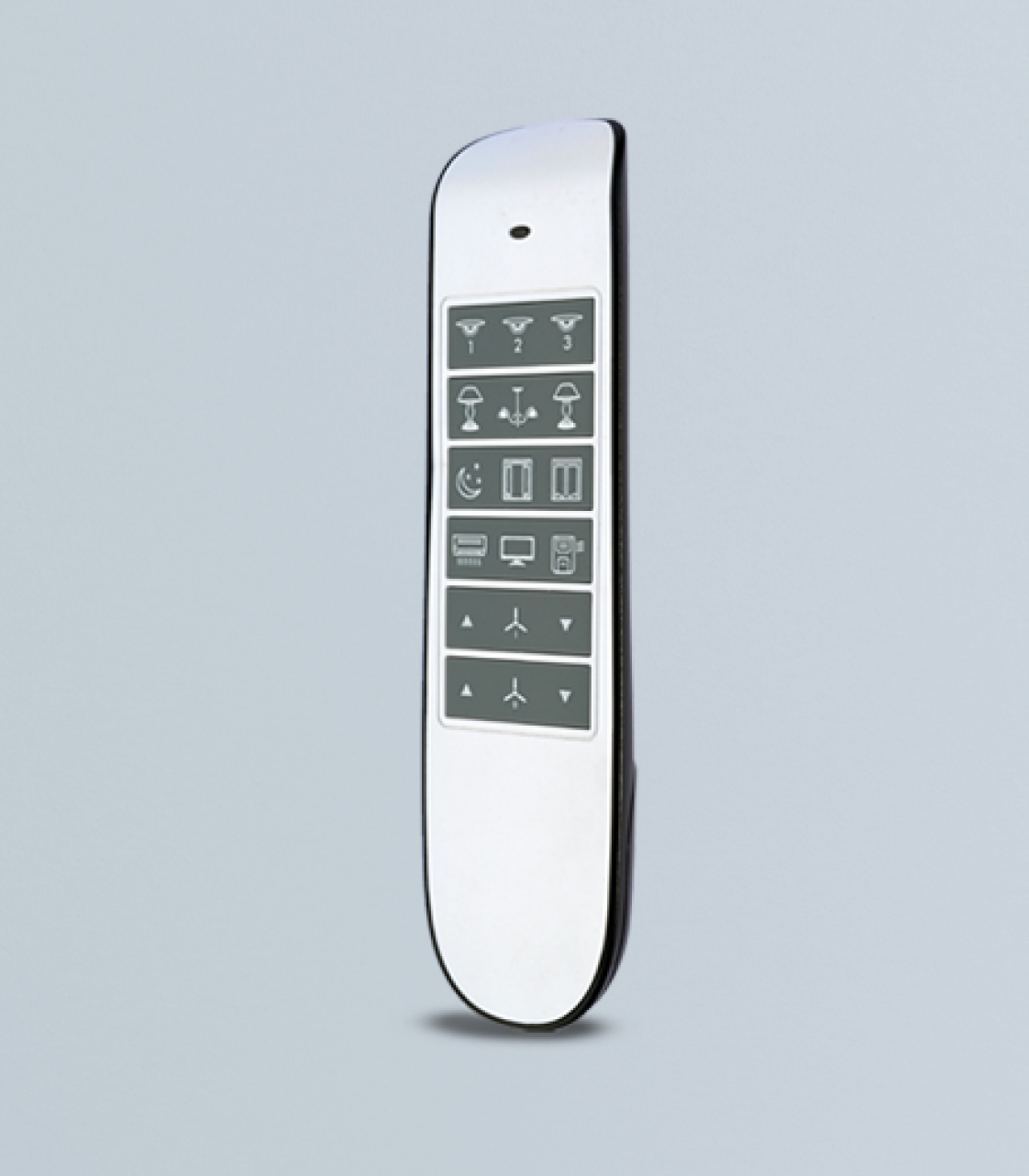
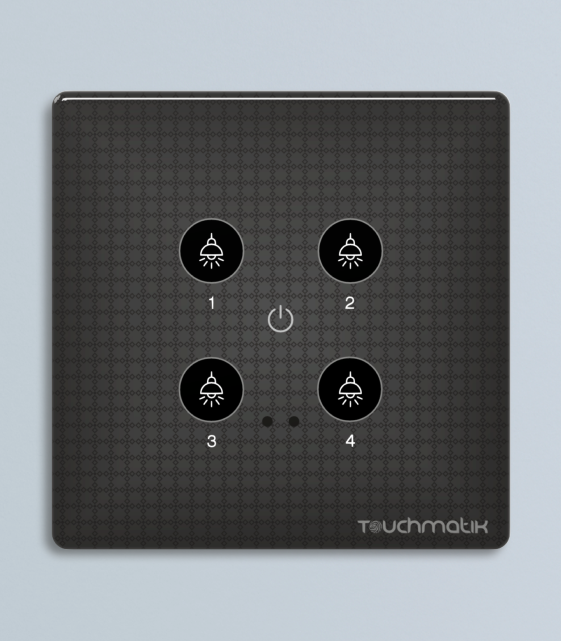
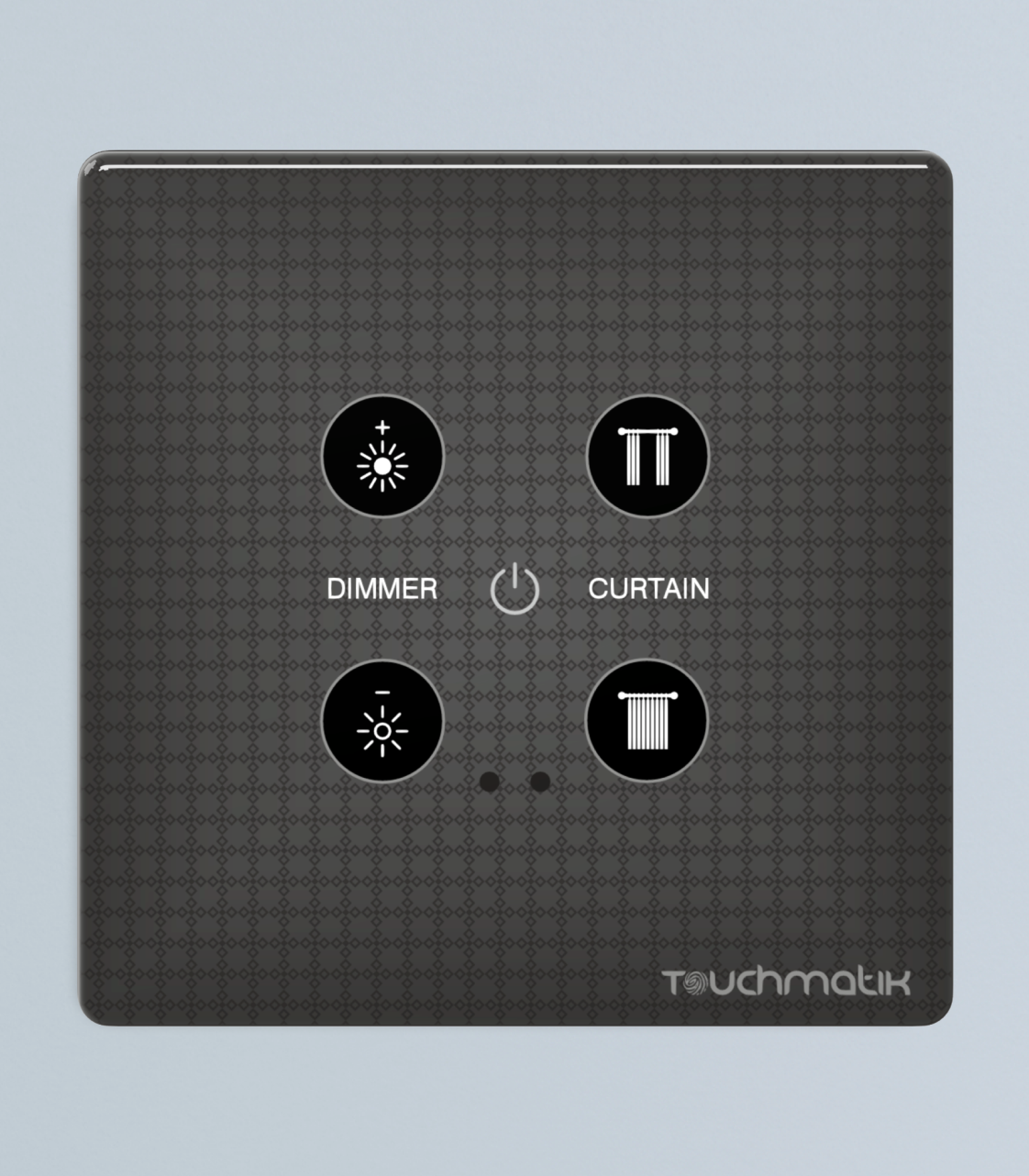
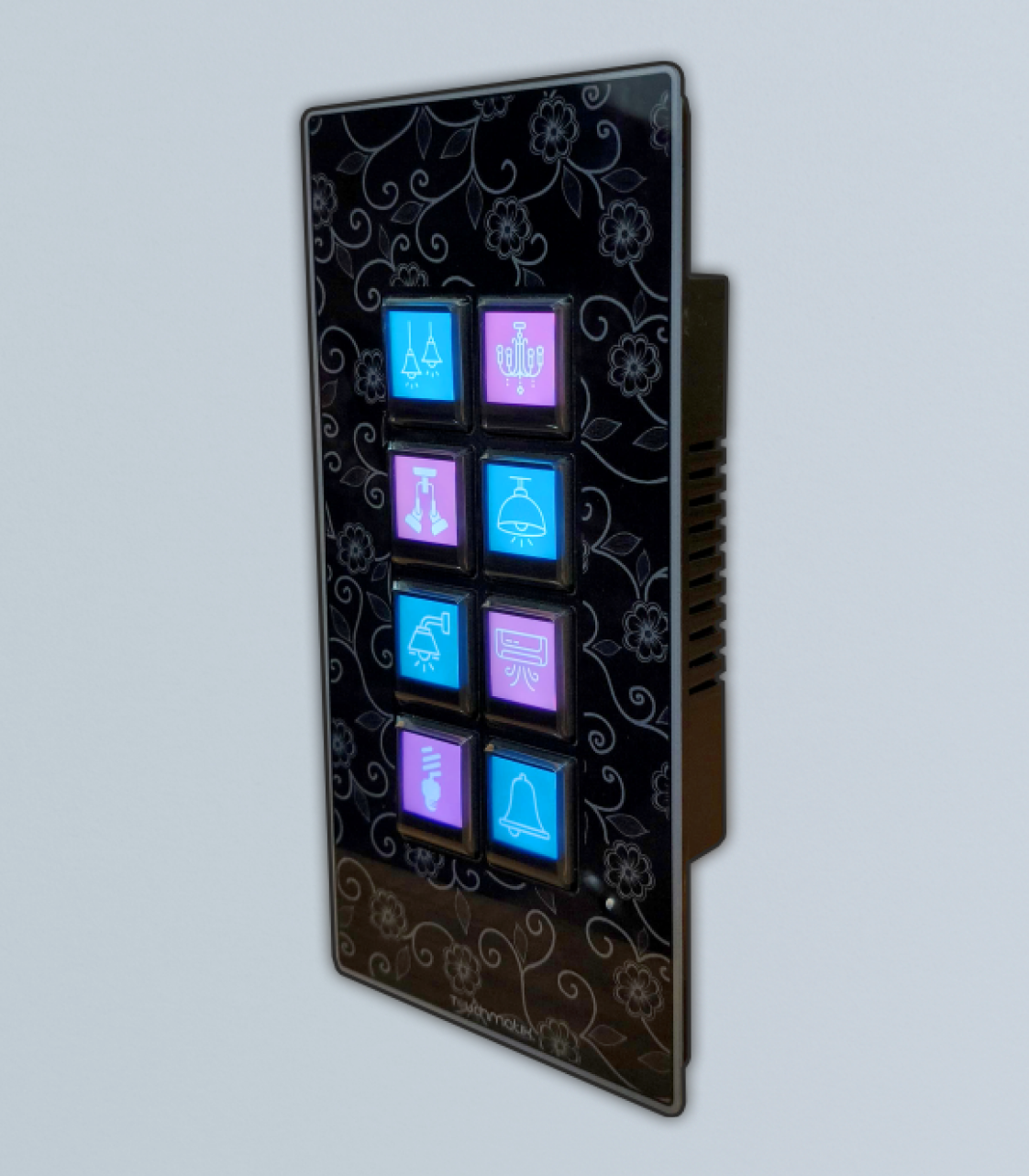
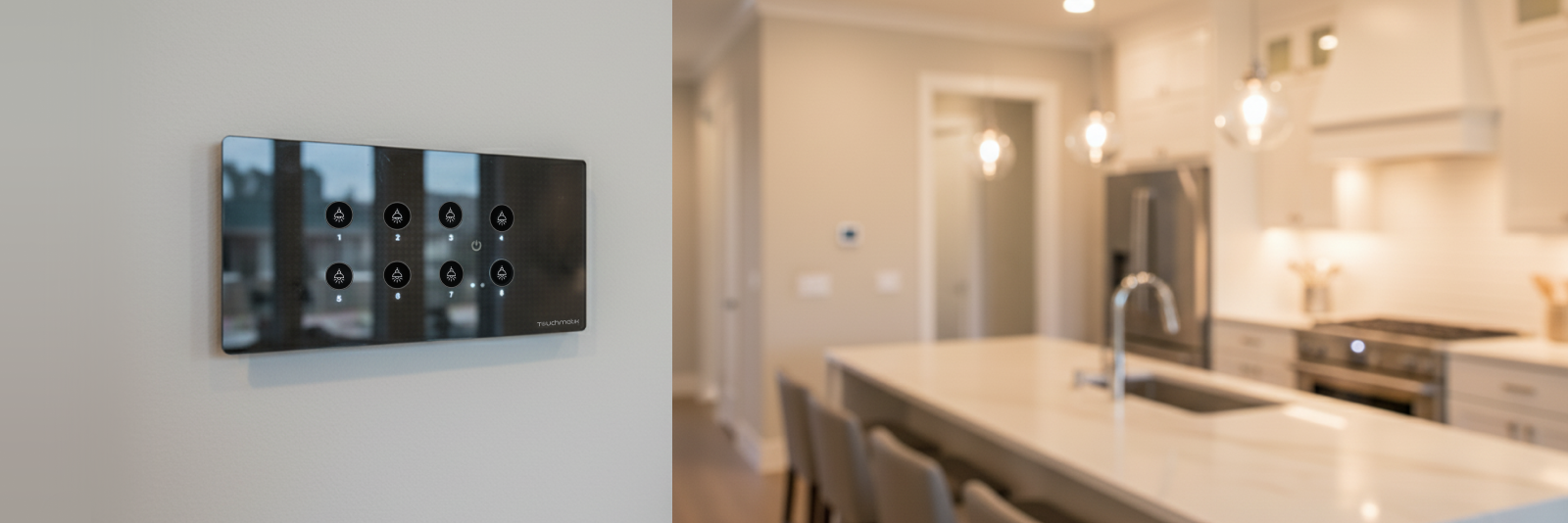
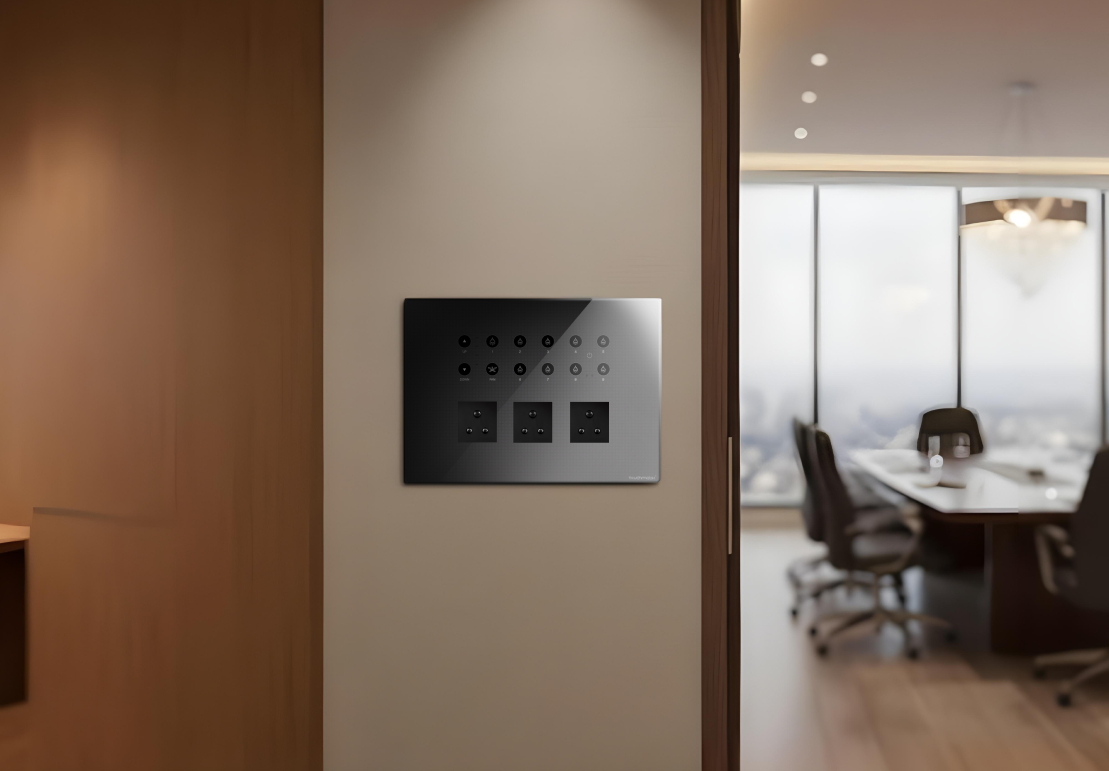
One of the most elegant entry points into home automation is the smart touch switch. Unlike traditional mechanical switches, smart touch switches serve as both the control point and the style statement of your home.
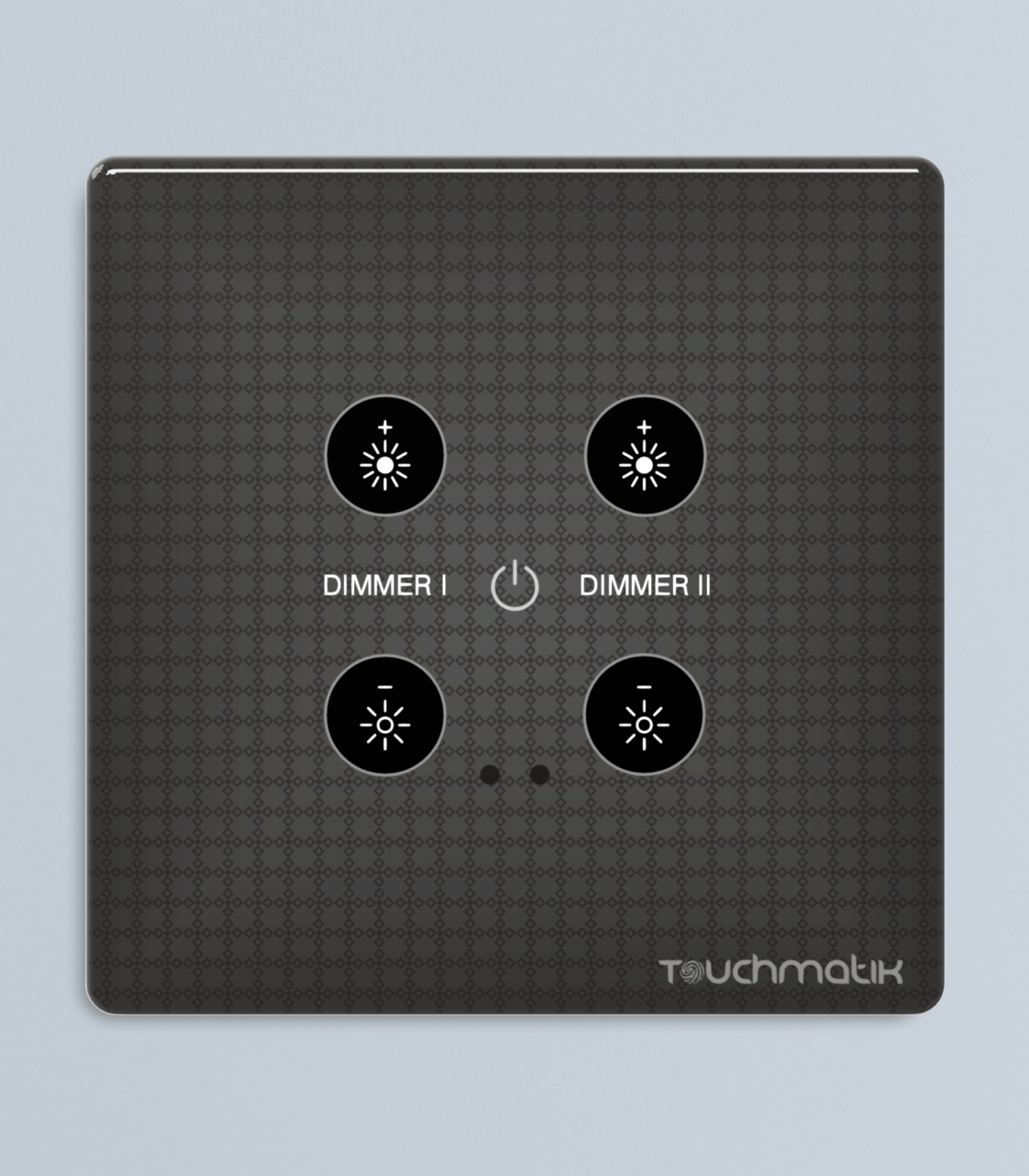
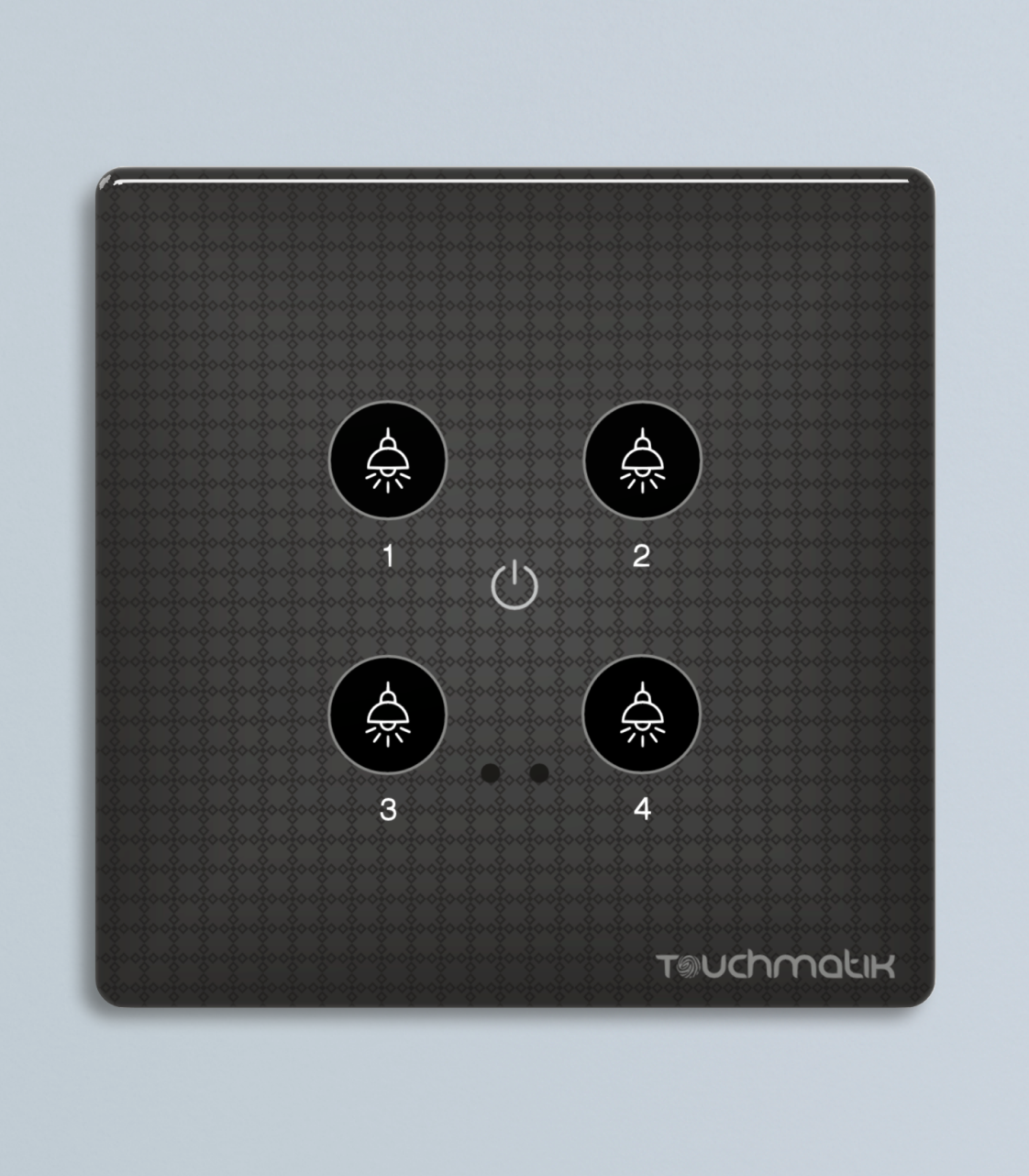
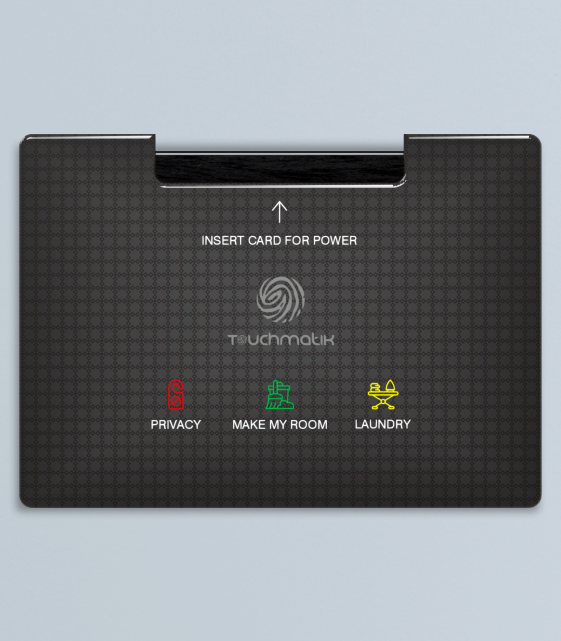
Touchmatik's smart touch switches exemplify this perfectly. With sleek glass surfaces, illuminated icons, customisable backlighting, and seamless integration with automation systems, they allow you to control every aspect of your home through an interface that looks and feels premium while being intuitive enough for every member of the family.
More importantly, Touchmatik switches are retrofit-friendly, meaning you don't need to tear down walls or rewire your entire home to get started with automation.
Who Is Home Automation For?
The short answer: everyone. Home automation is not just for tech enthusiasts or luxury residences. It's for:
- Families who want a safer, more comfortable living environment.
- Working professionals who want to manage their home remotely.
- Elderly individuals who benefit from voice control and automated routines.
- Anyone who wants to reduce electricity bills through smart energy management.
Getting Started with Home Automation
You don't need to automate everything at once. Start small and scale as you grow comfortable:
- Step 1 — Identify pain points: What do you manually control every day that could be automated?
- Step 2 — Choose a platform: Decide on a smart home ecosystem (app-based, voice-based, or both).
- Step 3 — Start with switches: Replace your traditional switches with smart touch switches as a non-invasive entry point.
- Step 4 — Add smart devices: Gradually introduce smart bulbs, sensors, and controllers.
- Step 5 — Create scenes and schedules: Set up automations like 'Good Morning' or 'Movie Mode' that trigger multiple actions at once.
Final Thoughts
Home automation is no longer the future — it's the present. And starting with the right interface makes all the difference. Touchmatik's intelligent touch switches offer a seamless, stylish, and scalable gateway into smart living, blending the reliability you need with the design sophistication you deserve.
Ready to begin your smart home journey? Explore Touchmatik's range of smart touch solutions and take the first step toward a home that works as intelligently as you do.