
Smart Home Automation Cost: What to Expect

'How much will it cost?' is almost always the first question asked when smart home automation enters the conversation. It's a fair question and one that deserves a thorough, honest, and useful answer rather than a vague 'it depends.'
The truth is that smart home automation exists across a very wide cost spectrum, from modest starter setups to comprehensive whole-home systems. What you spend depends on your goals, your home's existing infrastructure, the quality of products you choose, and how far you want to take the automation. This guide maps it all out.
Understanding the Cost Variables
Several factors influence how much your smart home automation will cost:
- Scale: Are you automating one room, a full floor, or an entire home?
- Product Tier: Budget, mid-range, and premium smart devices have very different price points.
- Installation Type: DIY retrofit vs. professional installation affects cost significantly.
- Wiring Requirements: Homes needing rewiring add considerable cost; retrofit-friendly options eliminate this.
- Integration Complexity: A simple app-controlled lighting setup costs far less than a fully integrated KNX system with climate, security, and entertainment.
Breaking Down the Cost by Category
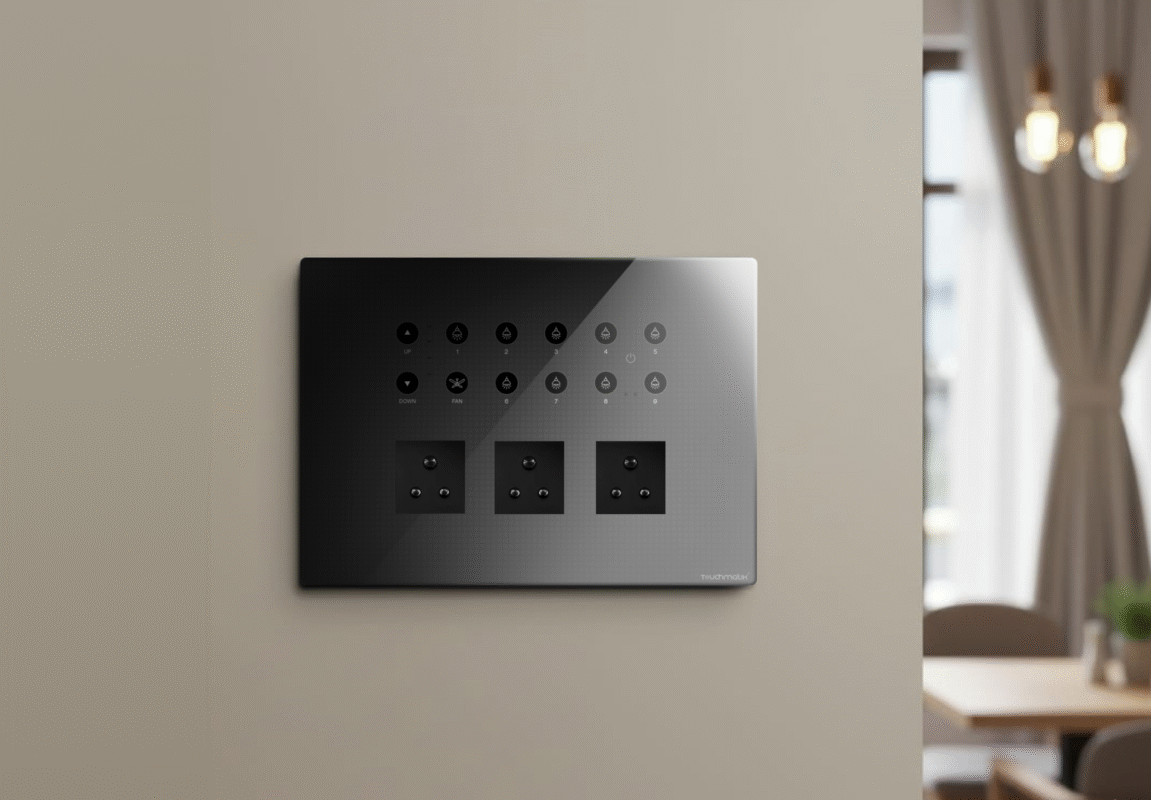
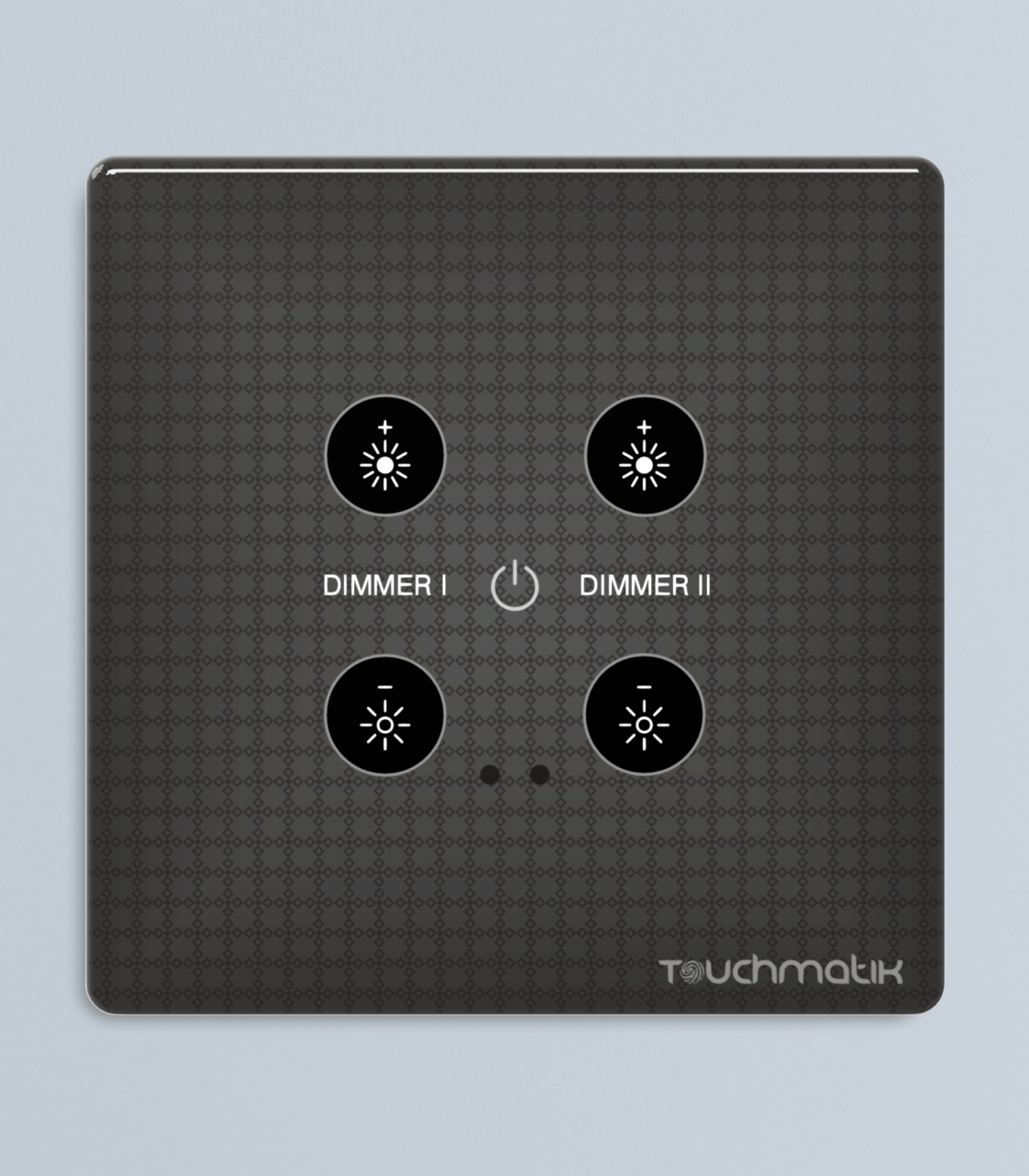
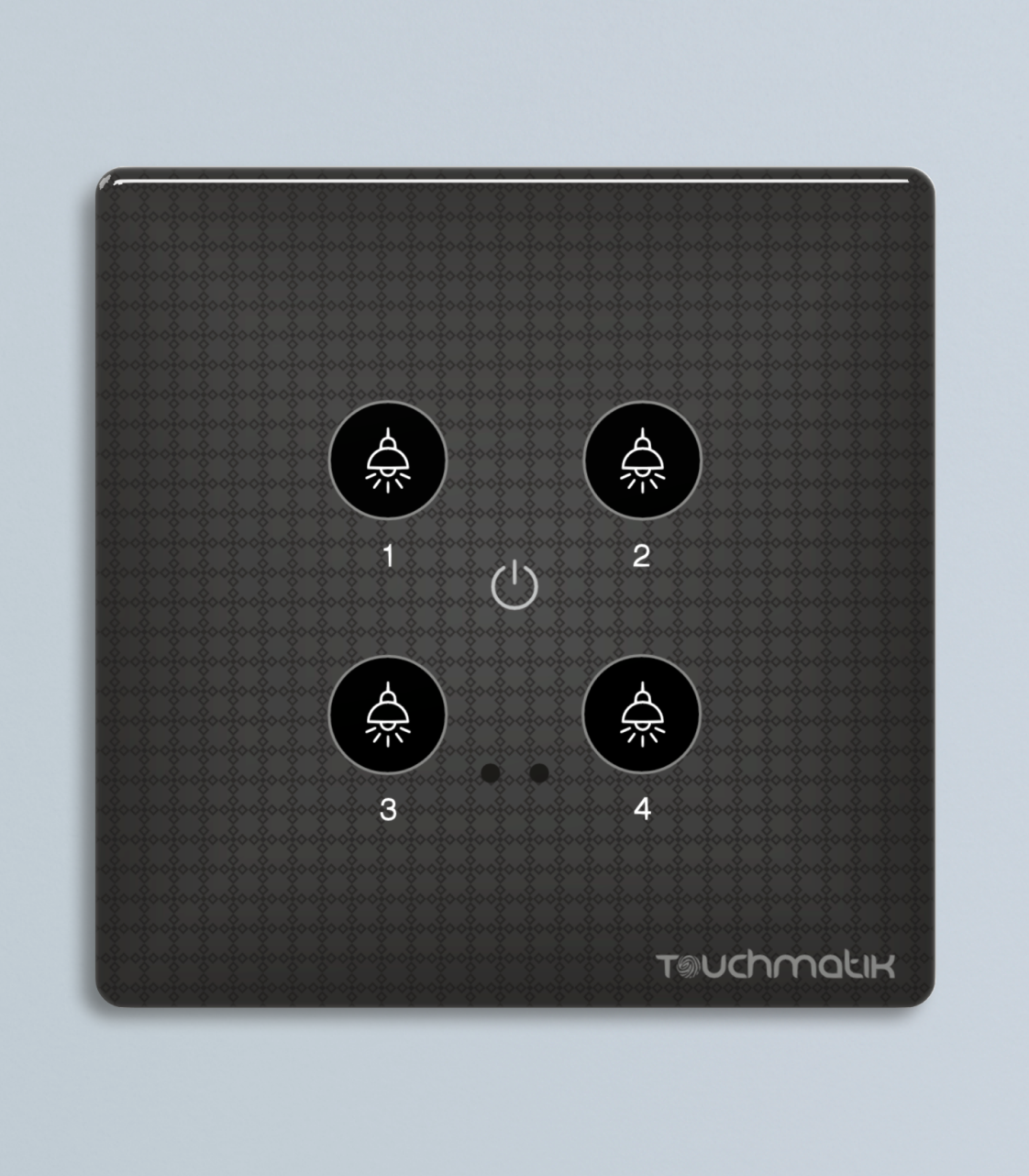
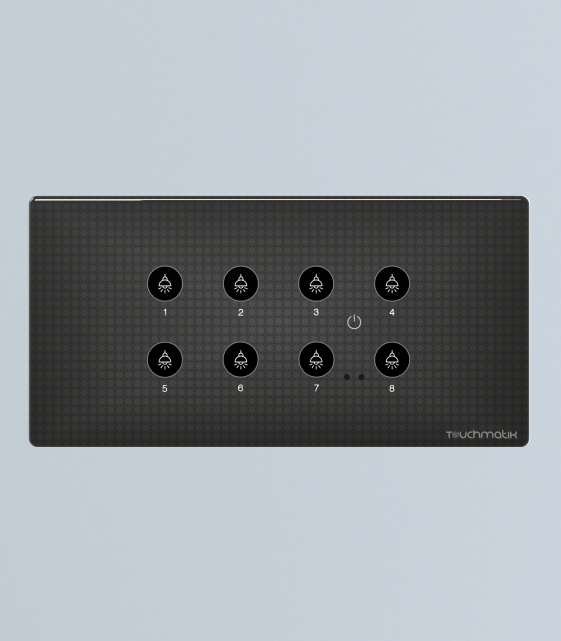
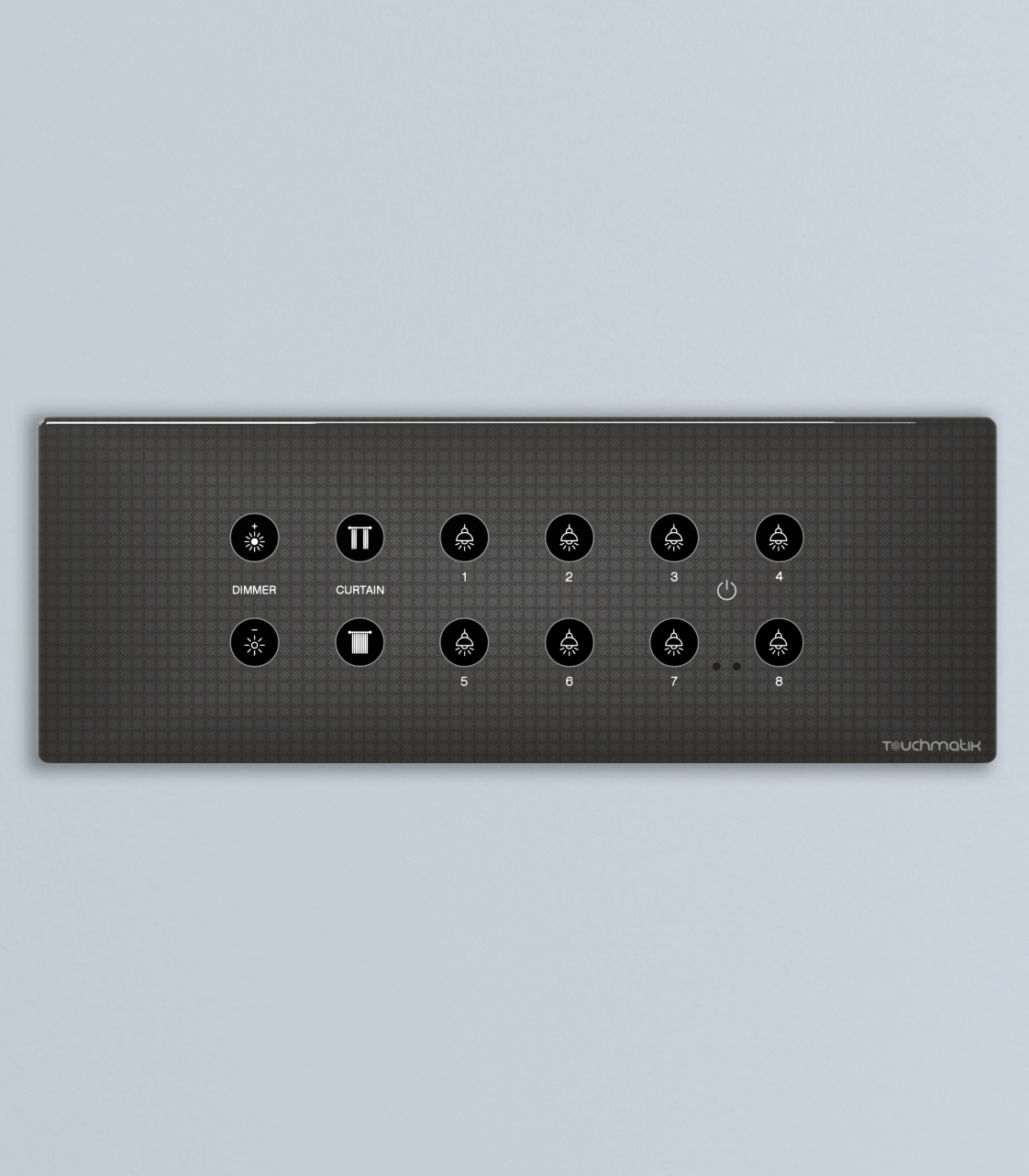
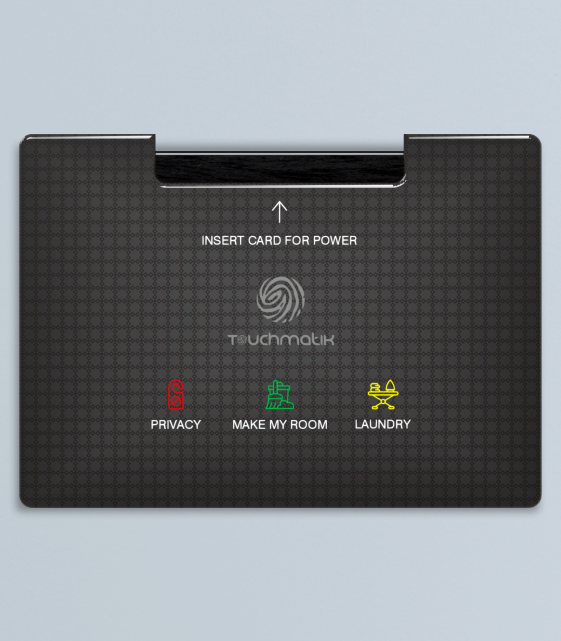
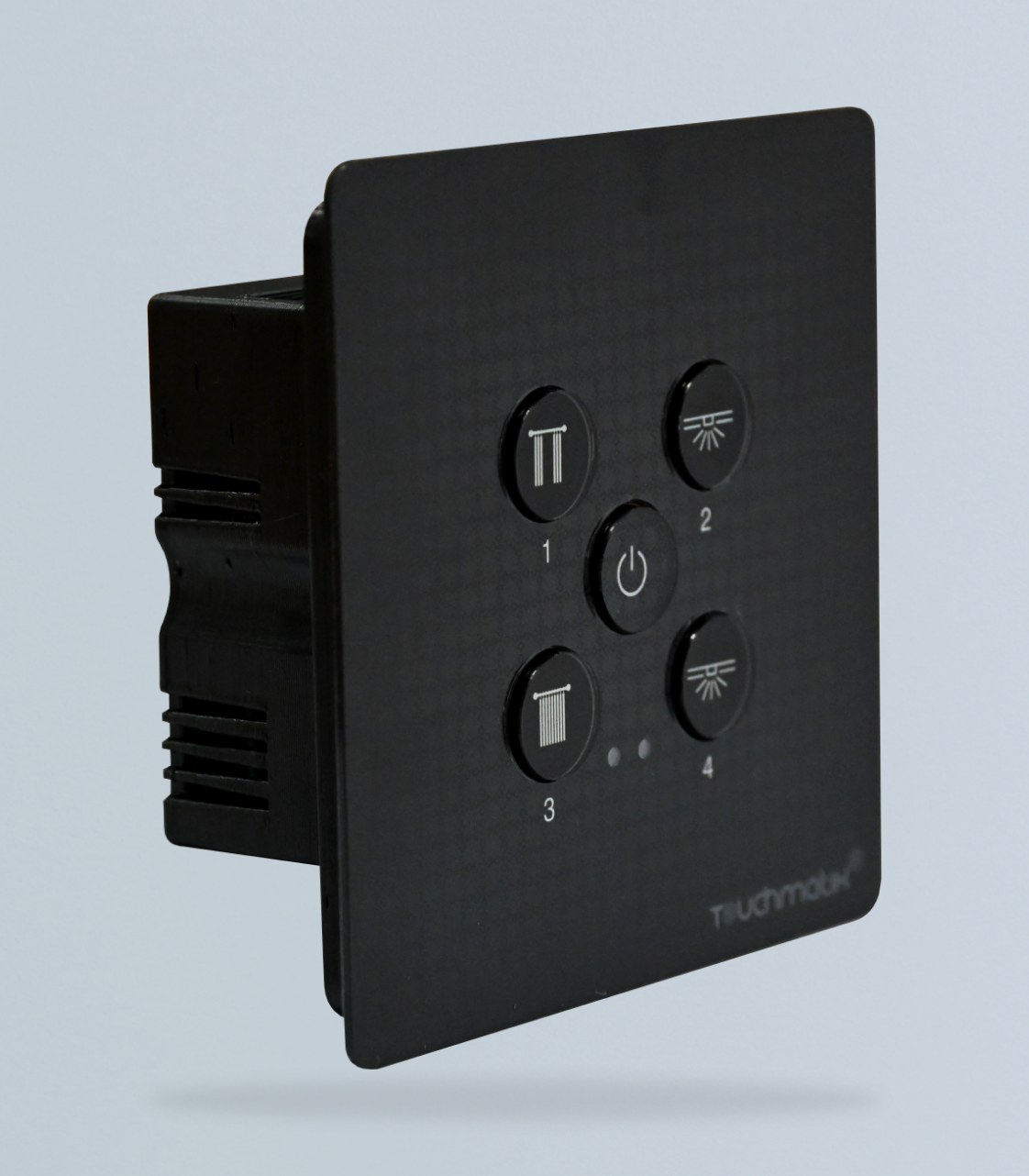
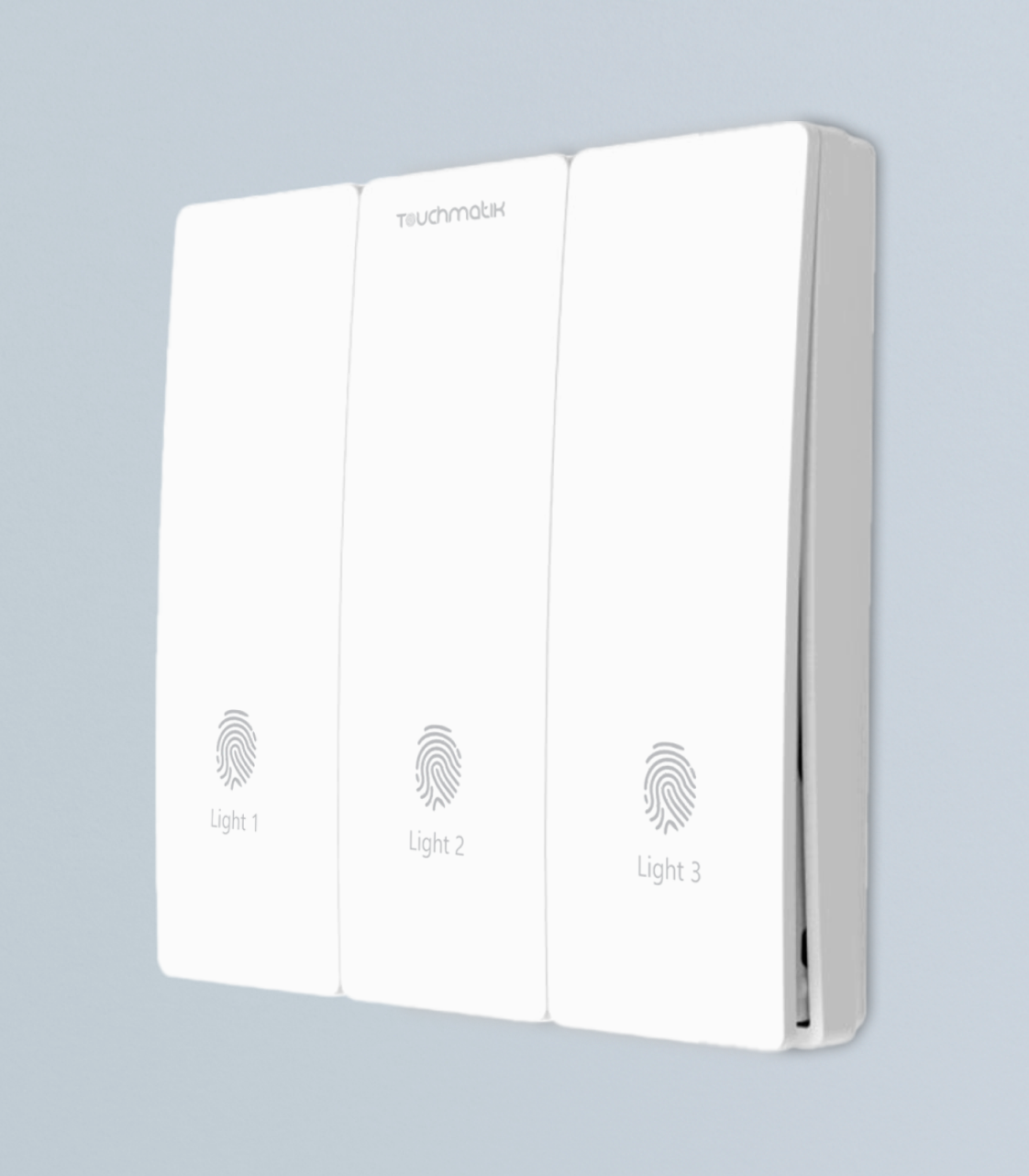
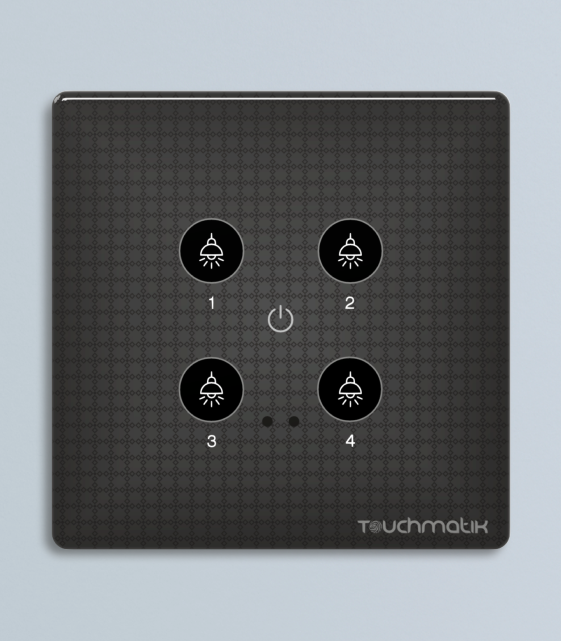
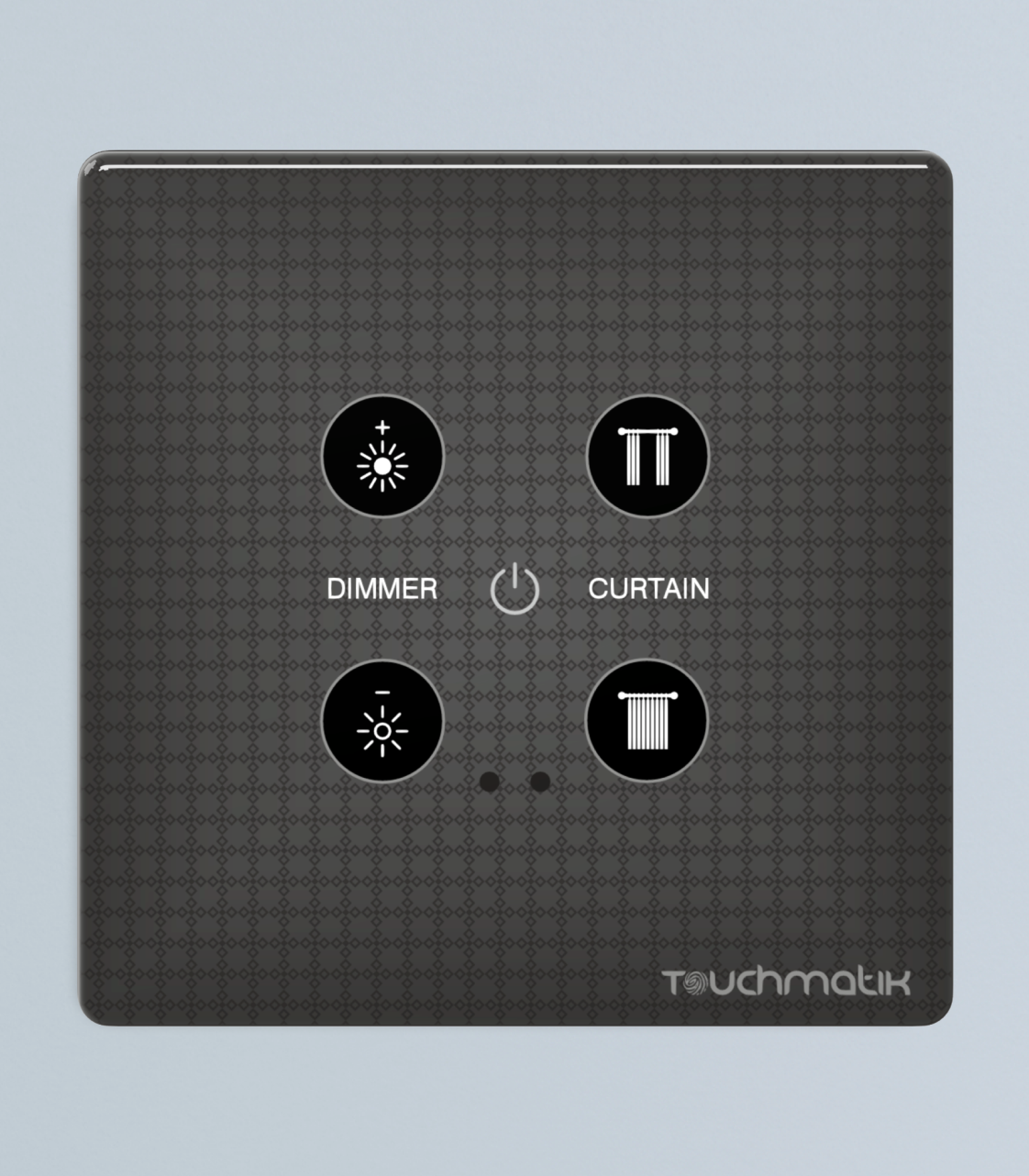
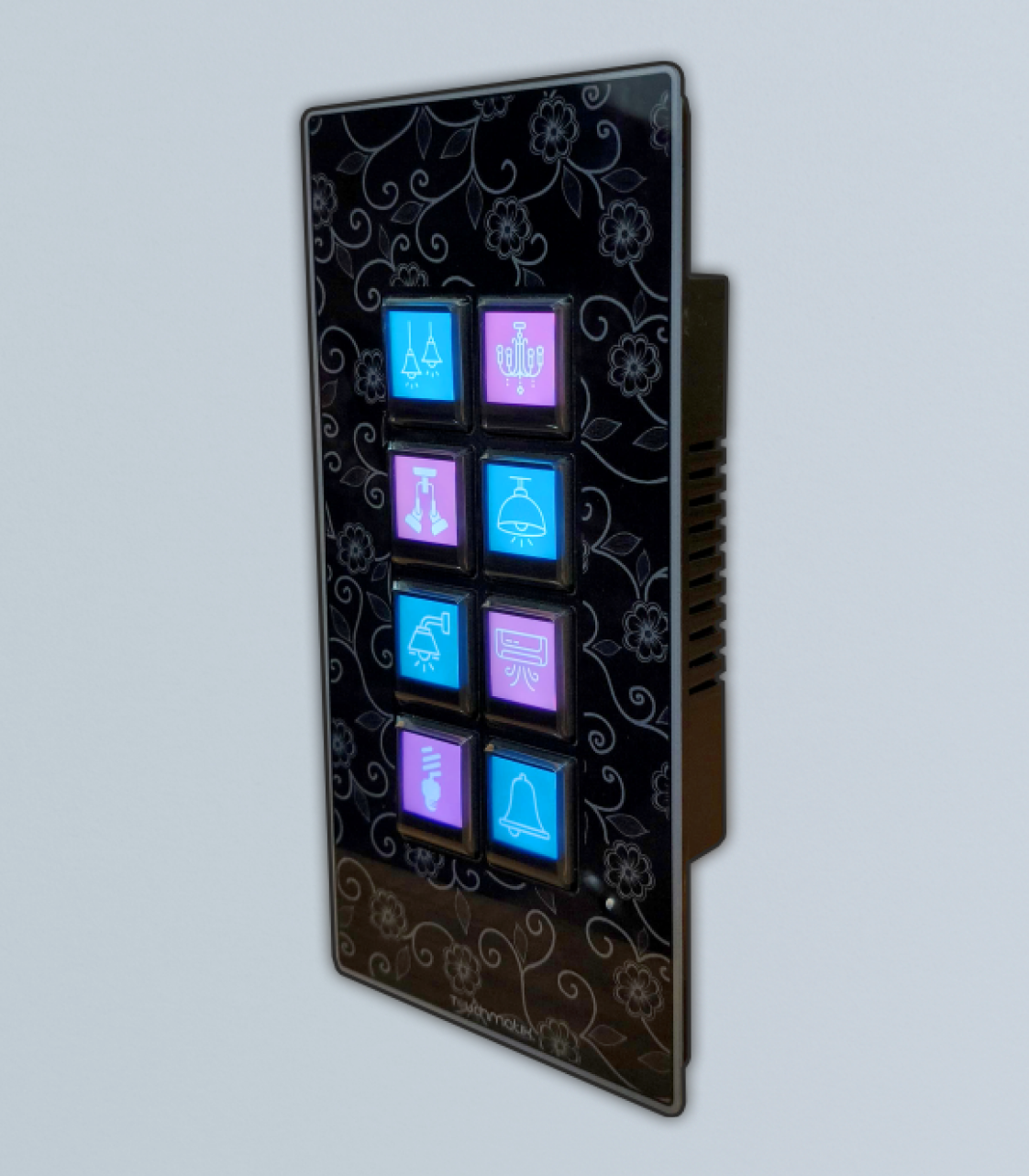
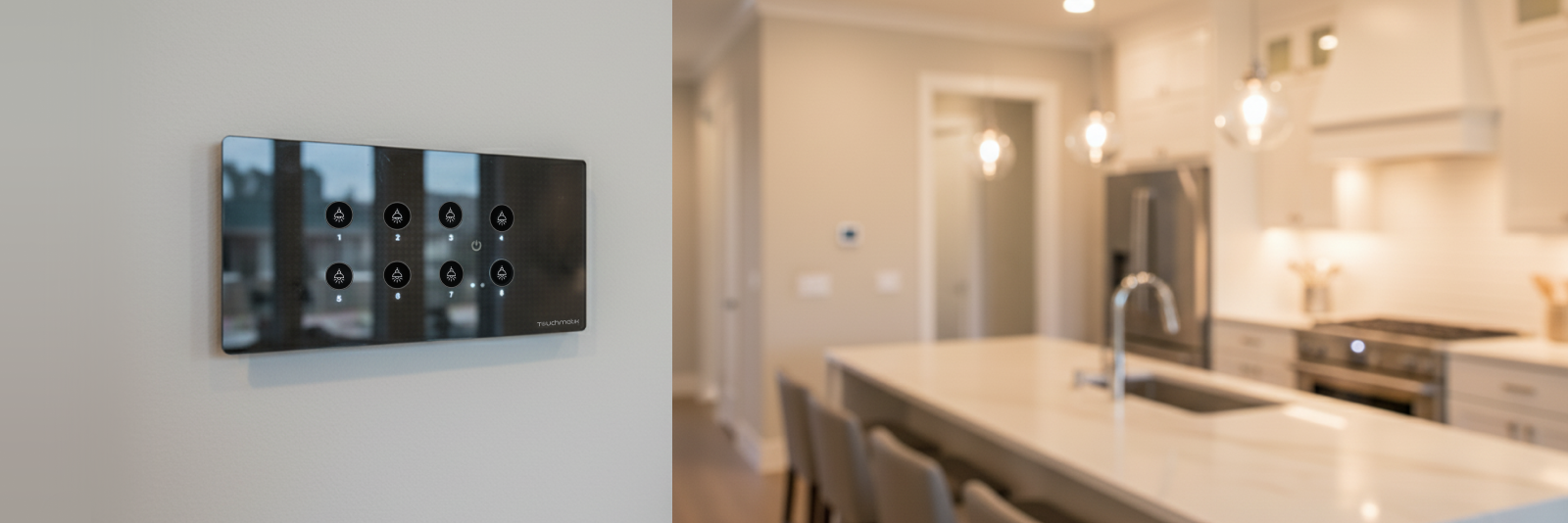
- Smart Switches: The most impactful and visible automation investment. Premium touch switches like Touchmatik offer long-term value through durability, energy savings, and design quality.
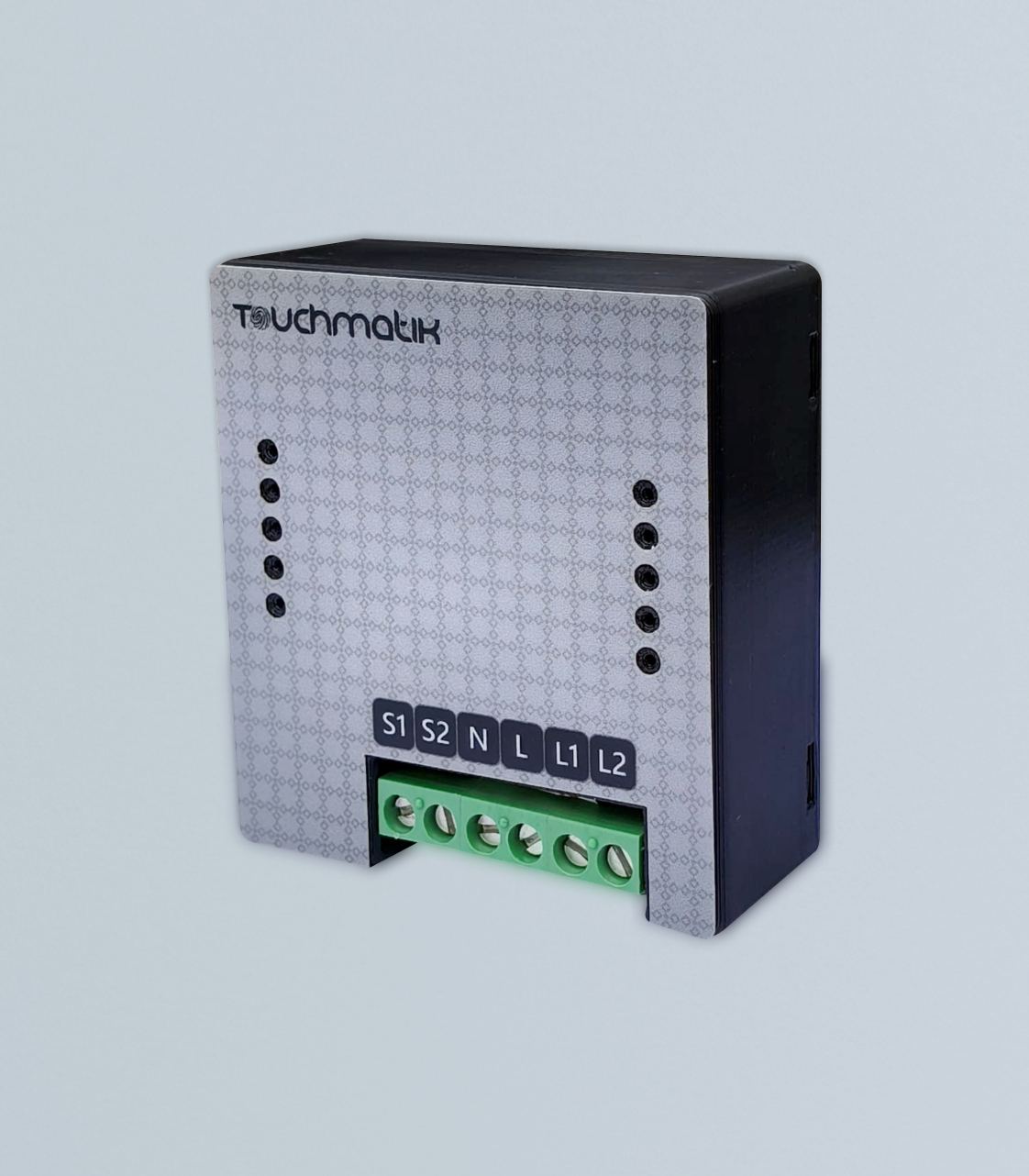
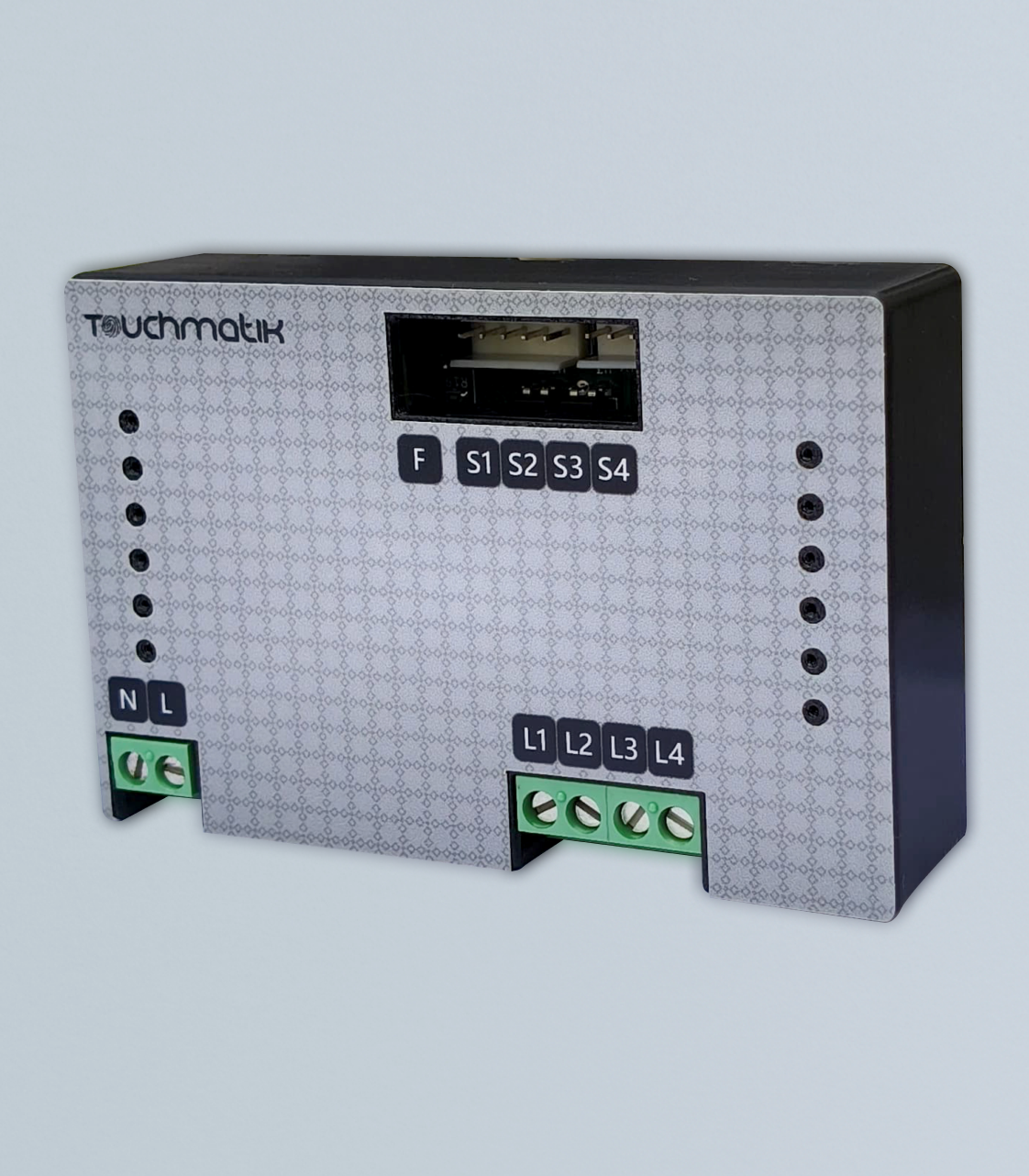
- Smart Hubs & Controllers: Central hubs that connect all your devices. Some systems are app-native and don't require a separate hub.
- Sensors: Motion, temperature, light, and occupancy sensors that trigger automations. Generally affordable, especially battery-powered wireless models.
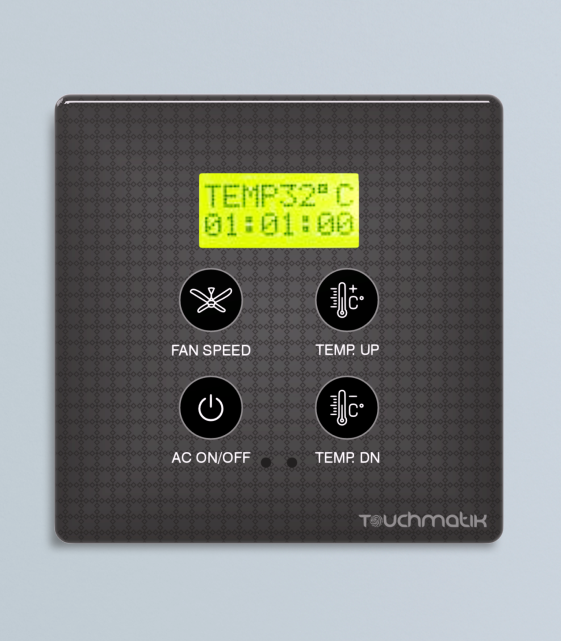
- Climate Control (FAN/AC): Smart controllers or integrated solutions like Touchmatik's built-in climate control module.
- Security & Access: Smart locks, video doorbells, and cameras vary widely in cost.
- Professional Installation: If you require an electrician or smart home integrator, factor in labour costs — though retrofit solutions like Touchmatik minimise this significantly.
The True Cost of NOT Automating
When evaluating the cost of smart home automation, it's equally important to consider what inaction costs you:
- Higher electricity bills: Lights and AC running unnecessarily add up significantly over time.
- Shorter device lifespan: Without smart scheduling, devices run at full power when they don't need to.
- Inefficiency and inconvenience: Manual control of every device in a modern household is increasingly impractical.
Touchmatik's intelligent switches include energy monitoring, auto-dimming, and scheduling features specifically designed to recover their cost through electricity savings over time.
Smart Investment: Starting Small
You don't need to automate your entire home to start seeing value. A phased approach is both practical and financially sensible:
- Phase 1: Replace high-use switches with smart touch switches (living room, bedroom, entry).
- Phase 2: Add smart climate control — FAN and AC management through integrated switches.
- Phase 3: Introduce sensors, scheduling, and scenes for whole-home automation.
- Phase 4: Integrate with voice assistants and remote access for full smart home capability.
Touchmatik's retrofit compatibility makes this phased approach seamless — each switch you upgrade integrates with the broader ecosystem without requiring new wiring or infrastructure changes.
Getting the Best Value
To maximise return on your automation investment:
- Choose products with long operational lifespans — Touchmatik's capacitive touch switches have no mechanical parts to wear out.
- Prioritise energy-saving features that reduce running costs over time.
- Opt for retrofit-compatible solutions to eliminate rewiring costs.
- Select systems with strong app and voice integration to avoid replacing devices as technology evolves.
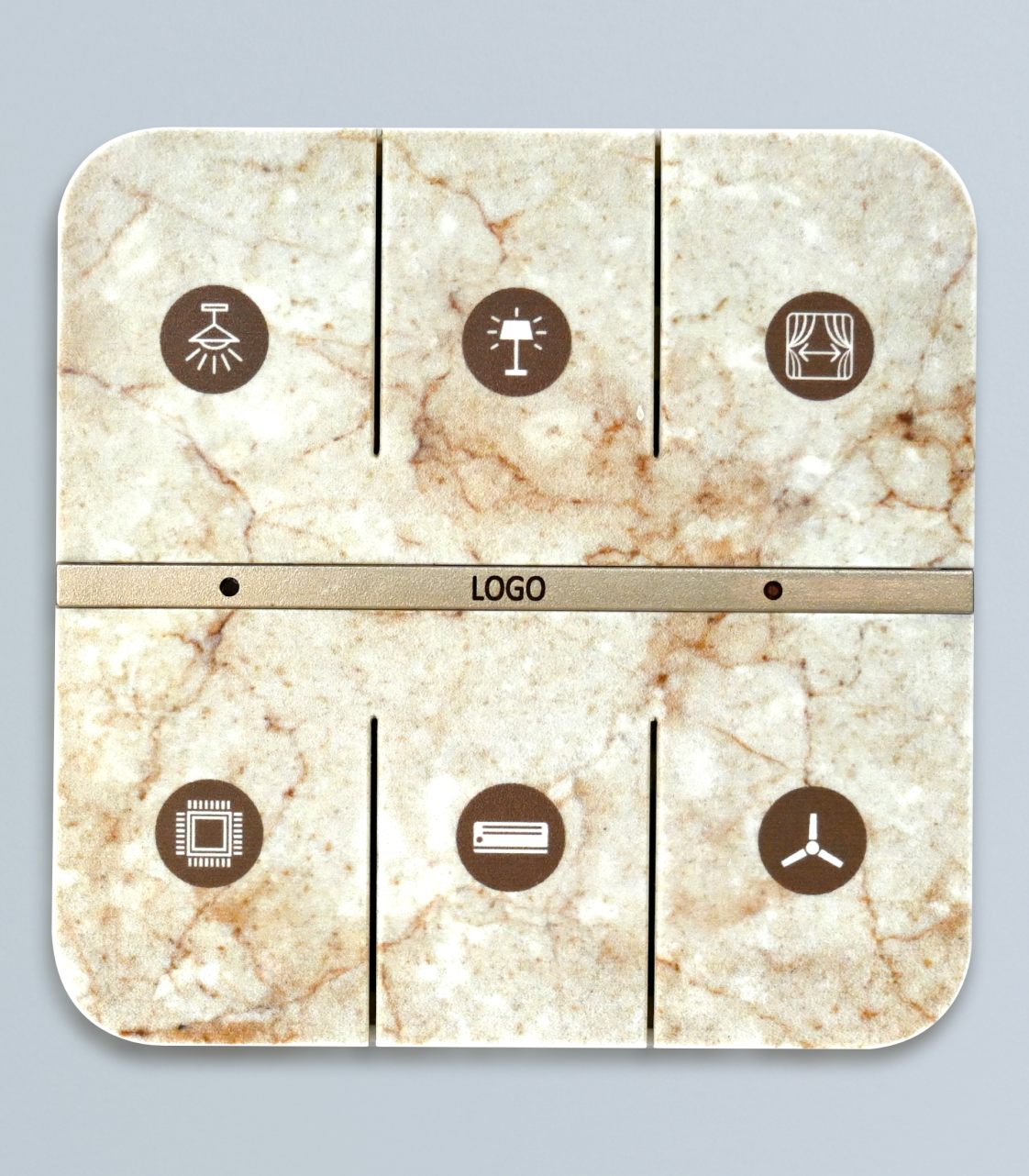
Work with brands that offer customisation, so your switches don't need to be replaced when you redecorate.
Final Thoughts
Smart home automation is an investment — in comfort, in efficiency, and in the long-term value of your property. The right approach is not to spend the maximum, but to spend wisely on products that deliver genuine returns. Touchmatik's range represents exactly that balance: premium design, intelligent features, and retrofit compatibility that makes every spend count.
Speak to a Touchmatik specialist about the right automation package for your home, your space, and your budget.